

























































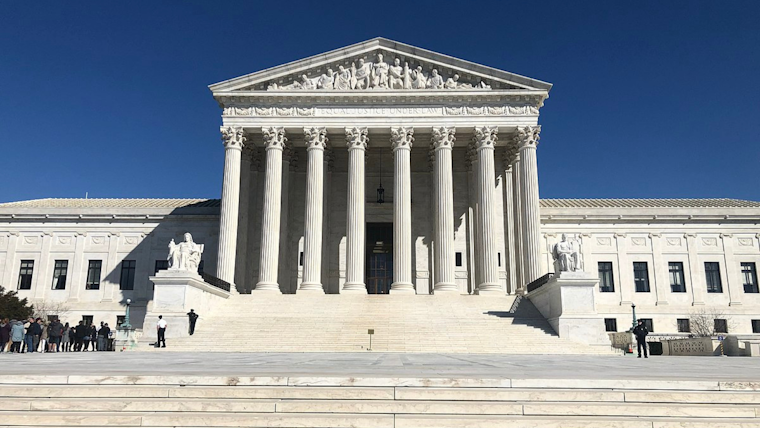
The battle over Michigan's political landscape continues as the U.S. Supreme Court has declined to put a freeze on the redraw of the state's legislative maps. Michigan's Independent Citizens Redistricting Commission (MICRC), which was tasked to redraw voting districts, hit a roadblock when a federal three-judge panel, appointed during the administration of Republican President George W. Bush, struck down 13 districts as racial gerrymanders.
In a decisive move, the nation's highest court has allowed the redistricting process to march forward, according to information obtained from The Free Press and Michigan Advance. This comes after the MICRC's emergency application for a stay was squarely denied. The Supreme Court did not explain its decision.
With this recent development, new maps for the seven affected state House districts must be drawn up by Feb. 2, followed by public commentary and a final map submission by March, as detailed in a report by Democracy Docket. Importantly, the commission is operating under severe time constraints as the filing deadline for the 2024 primary elections looms on April 23.
In their defense, the MICRC asserted they had used race in the drawing of Detroit-area voting districts to comply with the federal Voting Rights Act (VRA), which aims to prevent racially discriminatory voting practices. However, the three-judge panel concluded that the commission's districts were drawn "predominantly on the basis of race," thus violating the Equal Protection Clause. According to The Free Press, the commission's voting rights experts had communicated to the novice mappers that old GOP-drawn maps overly concentrated Black voters, limiting their electoral influence. By spreading out Black voters across more districts, the commission had hoped to expand electoral opportunities for them.
Amidst this legal tangle, Michigan Secretary of State Jocelyn Benson expressed concern over whether new district changes could be implemented without risking errors or disruptions to the August 2024 primary election. Meanwhile, the redistricting commission has begun holding in-person meetings in Detroit to gather feedback from the public on the redraw, as mentioned by Michigan Advance.
The dilemma facing the commission is further exacerbated by the need to overhaul six state Senate maps ahead of the 2026 election while continuing to exclude racial considerations in crafting new maps, under VRA compliance examination post-drawing.





