

























































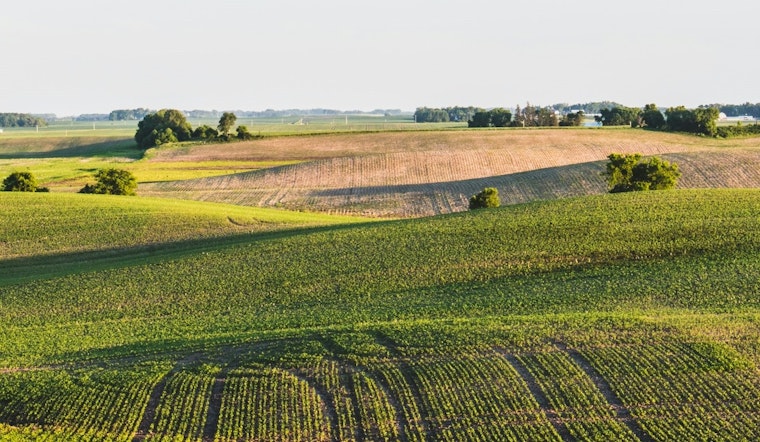
Farmers in Minnesota may soon have a high-tech ally in their fight against crop-damaging aphids, thanks to groundbreaking work from the University of Minnesota. Researchers have developed a method using artificial intelligence (AI) and satellite images to streamline the detection of soybean aphid infestations, a persistent problem that traditionally requires exhaustive manual scrutiny by farmers.
Bob Koch, a Professor of Entomology at the University of Minnesota, addressed the hardship inflicted by aphids on crops: "They make the plant smaller so it can't produce as many seed, or as big a seed, which reduces the farmer's yield," he told CBS News Minnesota. The new satellite-based remote sensing captures light wavelengths to distinguish between levels of aphid infestation, a process which has been cumbersome and time-consuming until now.
Underpinning this advancement is the Sentinel-2 satellite system, which collects vital imagery data for the AI to analyze. The AI's role is to determine the severity of aphid presence and advise if insecticide application is necessary. "Satellite data from dozens of commercial soybean fields have been successfully used to develop AI predictions of when, and where to spray for aphid control," explained David Mulla, a professor in the Department of Soil, Water and Climate, as per information obtained by the University of Minnesota.
Moreover, Arthur Vieira Ribeiro from the University of Minnesota showcased a preliminary website demonstrating the satellite imagery's ability to differentiate between heavily and lightly infested fields. This innovation has the potential to transform farming practices, with Koch adding, "These guys are busy in the summer and any way they can save time would be an improvement," he told CBS News Minnesota. The research reflects a collaboration supported by the Minnesota Invasive Terrestrial Plants and Pests Center, funded by the state's Environment and Natural Resources Trust Fund.
The breakthrough could pivot agricultural management to a more efficient, sustainable approach, impacting both the economic and environmental facets of farming. Post-doctoral associate Arthur Ribeiro emphasized the pragmatic benefits that such a method could deliver to farmers, aiding practical management decisions that are less labor-intensive and more cost-effective, as highlighted in the University of Minnesota press release. Efforts continue to refine the technology and its application, including differentiation between various stressors on the soybean plants.





