

























































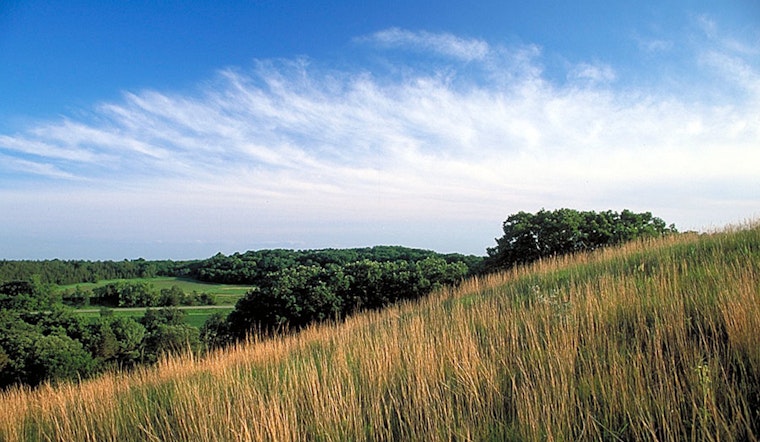
In a historic move, the Upper Sioux Agency State Park will be permanently closing its gates to the public on February 16 as the Minnesota Department of Natural Resources (DNR) prepares for a significant land transfer. The state park land will be returned to the Upper Sioux Community, a Native American group with deep historical ties to the region.
The sprawling park, located in Granite Falls and covering over two square miles, includes ancient ruins where, according to CBS News Minnesota, federal officers once withheld supplies from Dakota people, resulting in widespread starvation and death. This tragic history underpins the decision by Minnesota authorities to cede control of the land back to a native community that has been deeply intertwined with it for centuries.
The plan to return the land was given the green light last year when the Minnesota Legislature approved the move, subsequently backed by Gov. Tim Walz. In a significant statement, DNR Commissioner Sarah Strommen said, “We look forward to returning this land to the Upper Sioux Community, as continuing to operate it as a recreational use site is inconsistent with its unique and profound history," as obtained by Bring Me The News.
The DNR has earmarked over $6 million to aid the transfer, set to be finalized by 2033. Funds are to be utilized for land purchases offering recreational possibilities, appraisals, and the demolition of unnecessary infrastructure, as reported by CBS News Minnesota. Also, leading up to the park's closure, DNR conducted public engagements to discuss and collect proposals for alternative outdoor recreation in the region, ensuring residents still have quality options for recreational activities.
Minnesotans must now say their final goodbyes to the Upper Sioux Agency State Park. The park, rich in history and natural beauty, welcomes visitors until 10 p.m. on February 15, before it turns a new page in its storied existence. As the public prepares for this closure and the subsequent transfer of land, DNR officials are evaluating the proposals that have come in, looking ahead to the future of outdoor recreation in the verdant Minnesota River Valley.




