

























































In what signals a firm pushback against Washington state's environmental legislation, Initiative 2117, aiming to repeal the 2021 Climate Commitment Act, is gaining substantial momentum. Securing enough signatures to move toward a November ballot appearance, the Secretary of State's Office confirmed the achievement Tuesday. The policy currently enforces the state's heavy polluters to shell out for their greenhouse emissions via quarterly auctions, having already filled state coffers with around $1.8 billion, The Seattle Times reported.
Despite clearing this hurdle, the legislation faces a steep climb in a Democrat-controlled statehouse, unlikely to enact it into law. Instead, the General Assembly may propose an alternative or allow the initiative to stand unaccompanied on the ballot. Regardless, critics like Brian Heywood, a prime backer of the repeal campaign and a significant GOP donor, argue that the current climate act taxes consumers from all sides - at the pump, market, and home. "This is a triple tax on consumers, adding costs at the gas pump, the grocery store and on home heating bills," Heywood declared, as noted in a statement by Hastings Tribune.
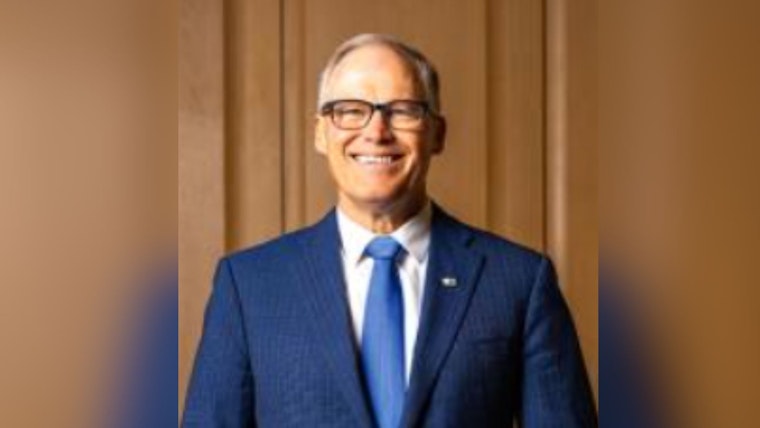
Facing off against these repeal efforts, Democratic Gov. Jay Inslee stands by the policy as an essential measure for slashing carbon emissions and leading other states by example. "We know our children's future is at stake, and we will not go backwards," Inslee stated, further citing the urgency as 2023 took the record for the hottest year yet. Inslee spotlighted upcoming carbon auction proceeds, like electric school buses and a plethora of EV charging stations, which affirm the state's stride towards green transitions, Hastings Tribune included in the report.
This initiative is not an isolated incident. Washington legislators must tackle a record number of initiatives this session, a situation set to benefit the minority Republicans and vex majority Democrats. "Let's Go Washington," the entity spearheading these initiatives, including 2117, has prompted discourse on the influence of wealth in direct democracy. Brian Heywood's financial tentacles extend throughout the campaigns, funneling personal and loaned funds of close to $6 million, a fact evidenced by Public Disclosure Commission reports. His spending spree has prompted criticism, with Tacoma Democrat and House Speaker Laurie Jinkins characterizing it as "an ultrawealthy millionaire buying his way onto the ballot," according to The Columbian.
As the political tumult unfolds, the voice of the electorate will ultimately resonate in the November elections. The outcomes here may not only reshape Washington's environmental framework but also signify a broader nationwide debate on the tug-of-war between economic interests and environmental stewardship.



