

























































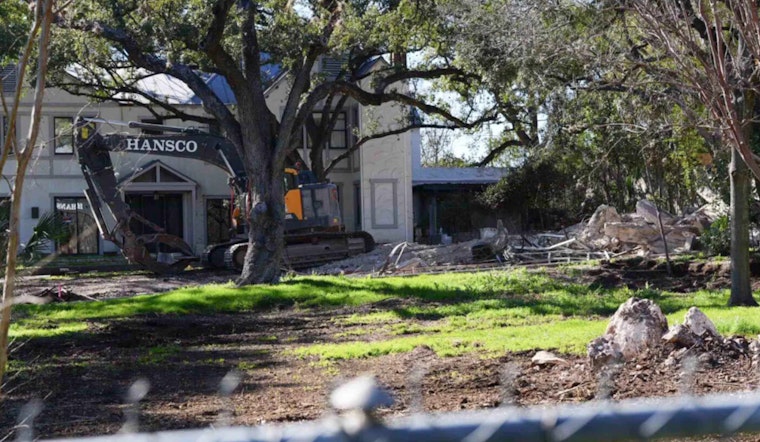
Contention has taken center stage in Alamo Heights as city council members and community residents wrestle with the future of the city’s historic structures and educational facilities. Recent council meetings have seen deliberations over the demolition of a revered 1922 home and plans to dismantle the main academic building at Alamo Heights High School.
During a packed council meeting, which saw active participation from local residents, Mayor Bobby Rosenthal disclosed that a meeting with the Texas Historical Commission had begun to fundamentally alter his perspective on historic preservation in Alamo Heights. The revelation comes as many in the community have continuously called for the establishment of a historic district to seemingly reconcile development with preservation efforts.
In a February 13 report by the San Antonio Report, it was detailed that the council opted to delay the decision on the proposed demolition of the home located at 231 Encino Ave. However, it did green-light a replat request from Nic Abbey Homes' owner Lisa Nichols, which would divide the oversized lot into two sellable parcels for potential new single-family house construction. This decision mirrored the Feb. 5 recommendation by the Planning and Zoning Commission.
Yet, in a separate instance concerning the fate of Alamo Heights High School's 1949 building, the city’s architectural review board (ARB) could not reach consensus to either recommend or deny the school district's demolition request. This indecisiveness forces the city council to ultimately determine whether to allow the district to proceed with its plans to erect a new, modern academic building. The San Antonio Report quoted Principal Cory Smith expressing enthusiasm about the project, "We’re excited about bringing it up to the standard that a lot of our schools and students need or the way that they learn today."
The proposed academic structure would offer enlarged classrooms, increased outdoor space, and enhanced security features. With a significant budget of $116 million, authorized by voters in the 2023 bond project, the new building's footprint would exceed the current one by 30,000 square feet. However, the bond's language stopped short of specifically mentioning the demolition, leaving some ambiguity about the project's scope. As deliberations continue, the city’s residents remain engaged, watching closely as the council navigates between the preservation of their historical legacy and the ambitious vision for their public education infrastructure.





