

























































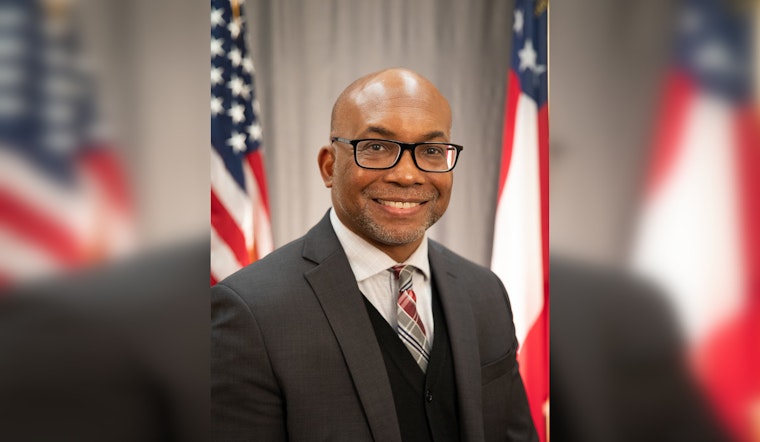
Democratic Whip Sen. Harold Jones II of Augusta is taking on a new role as a member of the Senate Special Committee on Investigations, an appointment that brings him to the forefront of the probe into former President Donald Trump's alleged wrongdoings. Jones, despite his previous vote against such committees, now finds himself in a position to influence their trajectory. "I am tasked with examining the various allegations related to the investigation of former President Donald Trump alongside my colleagues who are also called to serve on this committee," Jones stated.
The senator's appointment comes under Senate Resolution 465 which saw the formation of this investigative body. With an eye towards fairness, Jones, served in the committee, insisted he will not obstruct the investigative process. "Despite my opposition to the bill, it is necessary to clarify that I do not seek to impede any investigations against former President Trump," Jones explained in a recent statement. He emphasized his commitment to objectivity, underpinning the committee's pursuit of justice.
During its launch on February 9, the committee's bipartisan tone was set, with members from both sides of the aisle reportedly reaching an agreement on rules to govern their future interactions. Jones highlighted the cross-party cooperation, expressing optimism: "I was encouraged by the willingness of the Senate Majority Party to collaborate with the Minority Party in establishing the committee rules," he noted.
Jones has been vocal about his reservations concerning the necessity of such a committee, reflecting a cautious stance towards the investigation. Nevertheless, determined to filter out any distractions, he is focused on steering clear of overly partisan rhetoric. Jones outlined his agenda for the committee, ensuring the probe into allegations against Trump remains grounded in fact. "It is my priority to prevent the committee from devolving into an unnecessary partisan spectacle," Jones told Senate Press Net.
As the committee moves forward, Jones' role in interpreting and responding to evidence will be crucial to the unfolding political narrative. His balancing act between bipartisan cooperation and upholding justice highlights the tightrope walked by lawmakers in today's politically charged environment.





