

























































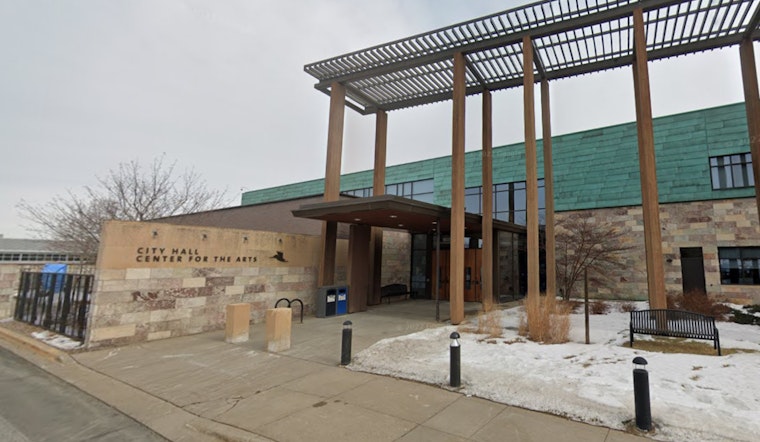
The quest for adequate housing in Bloomington is seeing a new potential development, as local authorities are proposing changes to the city's housing policies. In an effort to address the ongoing housing struggles, the Bloomington Planning Commission announced a public hearing to discuss updates to Chapter 9 of the City Code, which could influence opportunity housing in the region.
Residents interested in the future of local housing policy are invited to weigh in on the ordinance amendment during the public hearing, which took place on February 1st, 2020 at the Bloomington Civic Plaza. According to the city's official notice, the hearing was also accessible via online and by phone to accommodate a wider audience, an approach fitting in the era of augmented digital engagement.
Community participation is welcome and encouraged in the lead-up to the decision-making process, with detailed information and materials available for review at the city's website. For those who could not attend in person, options to provide testimony included viewing the meeting on BTV, Bloomington's local government access television channel, or joining electronically through the provided Webex link.
City officials, mindful of the need for public input, have set a deadline of noon on February 15th, 2024, for the submission of email or voicemail testimony to ensure that the commissioners have sufficient time to review public comments. Kenneth Niemeyer, Housing Development Specialist, has been named as a point of contact for those seeking more information or wishing to submit their comments directly.
Bloomington's initiatives reflect a wider dialogue about creating inclusive communities with accessible housing options. The outcome of the public hearings and subsequent policy amendments could serve as a benchmark for other municipalities grappling with similar challenges in preserving and developing opportunity housing for their residents.





