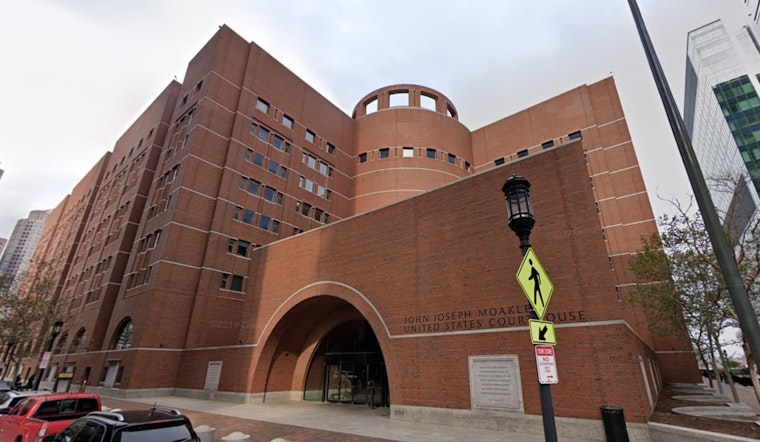
A Brazilian national with a track record of violent crimes, including murder, received a 10-year federal sentence for unlawfully sneaking back into the United States, officials said today. Walter Gomes DaSilva, 52, must serve the decade-long sentence on top of the 25-year to life term he's already doing for a 2016 slay in the Bay State, according to the U.S. Attorney's Office.
DaSilva had originally been deported in 1999 following a conviction for domestic assault and battery, not long after, he was back in the U.S. only to be charged with armed assault to murder. "Enforcing this country’s immigration laws for dangerous individuals who commit crimes in this country, and then return after deportation is critical to public safety," Acting U.S. Attorney Joshua S. Levy said in a statement obtained by the Justice Department's announcement.
The reentry conviction is a stark endnote to a criminal career that had DaSilva twice removed from the country. After his 2012 deportation, DaSilva made his way back to the U.S., only to be nabbed after his arrest for the 2016 murder.
"This sentence sends the right message to any who think, they can violate our immigration laws with impunity and get away with it," said Todd M. Lyons, Field Office Director for ICE's Enforcement and Removal Operations in Boston. DaSilva's case was a joint effort, spotlighting cooperation between federal and state authorities. Enforcement of federal immigration law increases the protection of public safety and, protects our communities from the potential threat posed by individuals like this defendant," Lyons added in his remarks.
Assistant U.S. Attorney Luke A. Goldworm of the Major Crimes Unit handled the prosecution that culminated in DaSilva's federal sentencing. The case is a high-profile example of the consequences that can follow illegal reentry, particularly for those with a history of serious crimes.