

























































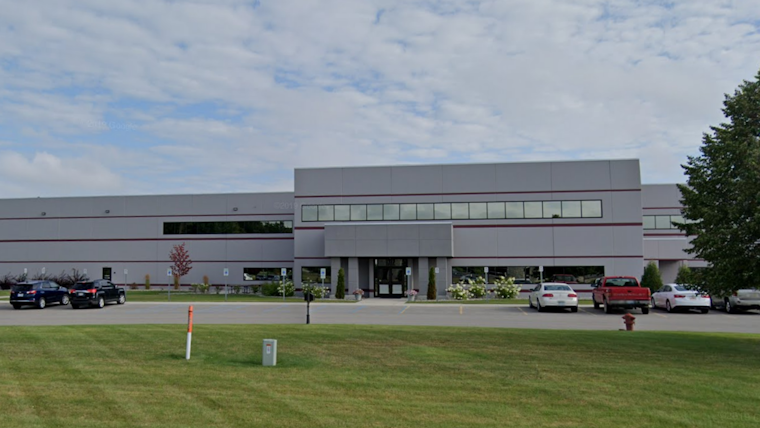
The U.S. Department of Energy is injecting a massive $544 million loan into SK Siltron CSS LLC, earmarked for the expansion of its Michigan semiconductor plant, a move geared toward bolstering production of silicon carbide wafers vital for electric vehicles, as per the department's announcement CBS News Detroit reports.
This hefty financial boost from the feds is projected to not only pioneer up to 200 construction jobs but also bring another 200 skilled manufacturing roles to the floor once the Bay City plant hits full production, with officials emphasizing the current scarce supply of high-quality wafers which can significantly improve charging times and range for EVs, this move by the Department of Energy is no doubt a strategic leap forward in domestic manufacturing of key components crucial in modern EV drivetrains including inverters and electrical distribution systems.
Expanding the Bay City site will fortify SK Siltron's presence as a preeminent producer of these wafers, placing them among the world's top five, and the support doesn't stop there as a further $165.9 million conditional loan has been offered to American Battery Solutions for the enhancement of advanced battery pack facilities, Bloomberg notes.
President Joe Biden had toured the Bay City factory in late 2022, heralding its inception as a pivotal point for American semiconductor manufacturing which spearheads supply chains back to U.S. shores and fosters a carbon-reduced energy future, a vision echoed by SK Siltron CSS CEO Jianwei Dong who told Reuters, "This project is an important step towards ensuring a resilient and robust supply chain in the United States, and we are proud to bolster domestic semiconductor manufacturing."
While the loan conditions inch toward finalization, the U.S. remains fortified with an impressive $221.8 billion loan capacity for clean-energy projects, despite a slump from the "euphoric levels of investment" in previous years to a "discipline year" in 2023, Jigar Shah, director of the Energy Department's loan program office, is determined to "lean into good risks", especially in areas where China currently leads, indicating anticipation of a looming shortage in critical minerals essential for battery and electronics production by 2027, Reuters detailed.




