

























































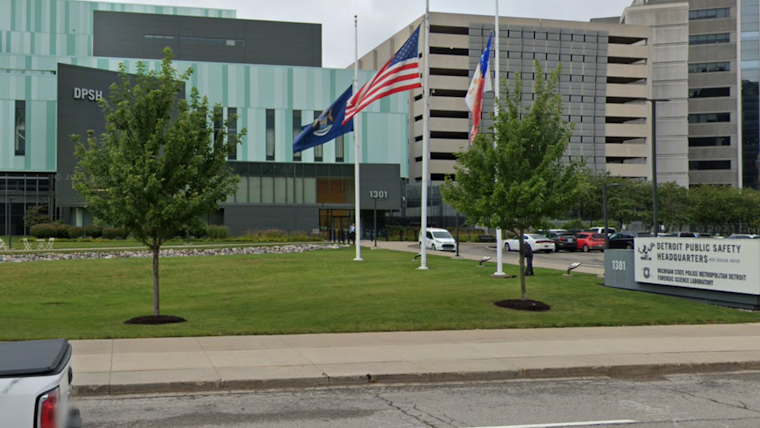
The Detroit Police Department is stepping up its non-lethal game by adding 20 new tether-like restraints to its arsenal, specifically designed to safely subdue individuals during mental health crises. The city's move to adopt less lethal measures comes in the wake of a 2022 incident where Porter Burks, a 20-year-old man, was fatally shot by police amid a mental health crisis. The FOX 2 Detroit report indicated that, following this incident, authorities identified an urgent need for tools that could help to prevent such tragic outcomes.
The Detroit City Council has approved a $32,083.44 contract for these new devices, despite concerns voiced by Councilmember Gabriela Santiago-Romero about the lack of engagement with the disability community. The BolaWrap, as it's known, is a launcher that shoots a 7-foot-long Kevlar rope that can wrap around an individual, essentially functioning as a high-tech lasso to quickly and safely immobilize a person without resorting to fatal force.
Deputy Chief Franklin Hayes described the restraint's function, "With this tool, we are now able to restrain those individuals from self-harming short of a firearm if they have a knife or something along those lines that they may want to use to harm themselves or others." He clarified in an interview obtained by Detroit Free Press that the restraint would be deployed "from a safe distance in which it would confine their arms."
Despite the adoption of these restraints, questions about their effectiveness and safety, particularly regarding children and pregnant women, persist. Hayes admitted the need for officers to make split-second decisions in such scenarios, aiming to always carefully balance immediate risk with the potential for injury. The police have assured that the device's prongs may scrape the skin or snag clothing but would not cause serious injury, according to Lieutenant James Domine's statements to Detroit Free Press, "It does very minimal injury if it does get caught in your skin."
Residents and community activists have raised their voices, demanding further research into the tool's effectiveness and suggesting that the funding could be put to better use, such as additional training or expanding the crisis team. Renard Monczunski, a community organizer, expressed apprehension regarding the tool's ability to safely de-escalate situations involving individuals with mental health challenges. Kaci Pellar, the policy manager of Detroit Disability Power, pressed officials to consider any data on the tool's success rate, pleading for a thorough investigation, as reported by the BNN Breaking News. Detroit PD remains committed to the notion that these new restraints will improve their service to the community in times of crisis, while many eyes will be watching to see if this promise of safety and de-escalation holds.





