

























































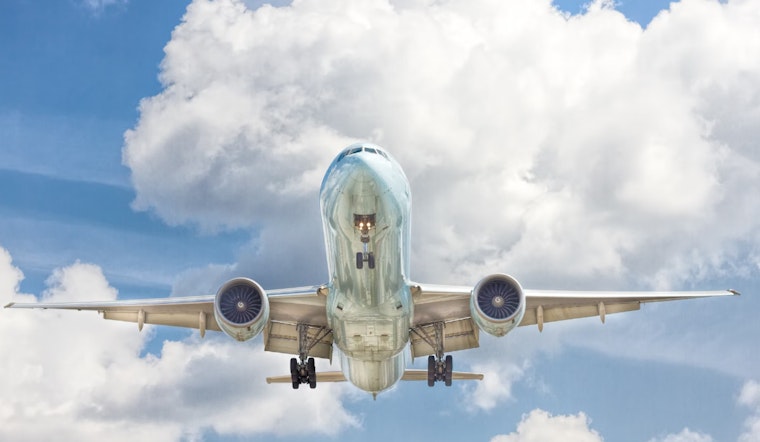
Boeing's safety culture is under heavy scrutiny following a report from an FAA-appointed panel that found glaring inadequacies, recommending an overhaul to meet the required legal standards for ensuring public interest in aviation safety. The report criticized a perceived disconnect in Boeing’s ranks, pinpointing contradictions between the leadership's safety messages and the internal pressure on engineering staff overseeing safety on the FAA's behalf. as reported by The Seattle Times.
The experts tasked to scrutinize Boeing's internal works discovered a culture that seemingly discourages raising safety concerns if it means to significantly slow down the process of certification or production. Alarmingly, the panel's findings suggest employees may fear retaliation over flagging potential safety issues, which undermines open communication and non-retaliation promises. Despite changes initiated by Boeing designed to encourage a more vocal stance on safety, the report concluded clear opportunities for retaliation still stand, "particularly with regards to salary and furlough ranking."
Feedback from the Society of Professional Engineering Employees in Aerospace (SPEEA), the union representing Boeing's engineers and technical workforce, echoed the apprehensions laid out by the FAA panel. SPEEA exposed a divide between the higher management's safety assurances and the ground reality as relayed by direct supervisors at Boeing. "The report reflects the reality that people who see something are afraid of saying anything for fear of jeopardizing their careers," SPEEA declared in a statement obtained by The Seattle Times.
The analysis by the panel made it clear that more than 50 recommendations are necessary to bring Boeing up to the mark. This involves a systemic and methodical overhaul designed not just to satisfy legal obligations but, far more critically, to ensure the trust of the public, whose lives rely on the integrity of the aviation giant's machinery. While Boeing took steps since 2020 to foster a more forthcoming environment, the specter of retribution appears to still linger, possibly chilling willful discourse and endangering the very essence of what it means to have a safety-first approach in the sky-high stakes of aviation.





