

























































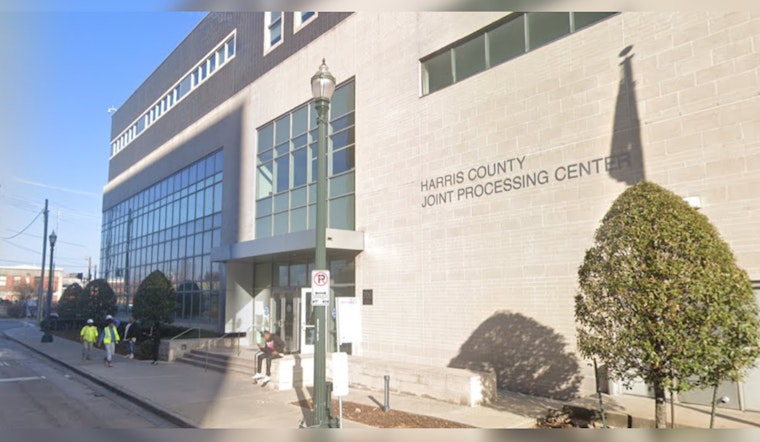
Harris County Jail continues to struggle with compliance issues, despite having spent $50 million to relocate inmates to other facilities, according to recent reports. The Texas Commission on Jail Standards held its quarterly meeting on Thursday, where it was made clear that the state's largest jail is still not up to par with state regulations. This was mainly due to excessive processing times and insufficient staffing levels.
County officials have been working to resolve the issues, including spending taxpayer money to outsource inmates—an attempt to alleviate overcrowding and come closer to meeting the required officer-to-inmate ratio mandated by Texas law. As the Houston Chronicle reports, this costly move has allowed for one jail facility to shut down an entire floor and significantly reduce personnel openings.
Even with these efforts, problems within the jail persist. The average stay for inmates has ballooned to 197 days, well above the state average of 46 to 56 days. "They'll tackle the issue in chunks," remarked Commander Phillip Bosquez from the Sheriff's Office to ABC13, indicating the serious nature of the problem and the incremental strategy laid out to address it.
Despite the ongoing issues, there have been some improvements — specifically in booking procedures. Still, staffing continues to be a pressing concern, even after a 12% pay raise last year which was intended to attract more jailers to the workforce. The outsourced inmates total 1,028, in a bid to effectively manage the jail's population and try to bring the facility into compliance. The addition of 532 body-worn cameras for detention officers marks another step toward better inmate management and transparency in operations. Yet, the commissions director, Brandon Wood, believes the jail is "going in the wrong direction."
These issues go beyond the jail's control, with a portion of inmates awaiting transfer to state facilities—a move that cannot be executed promptly due to hospital wait times. This logistical bottleneck effectively keeps the jail's resources strained. Local officials further alluded to the high cost of outsourcing, and assured that measures, like adding new courts to expedite case processing, are in place to reduce jail occupancy. The Harris County Jail's quandary underscores the complexities of managing a large-scale detention facility within the bounds of rule and resources. As the community calls for transparency and compliance, the county grapples with procedural, staffing, and financial hurdles set against a backdrop of a system in dire need of reform.





