

























































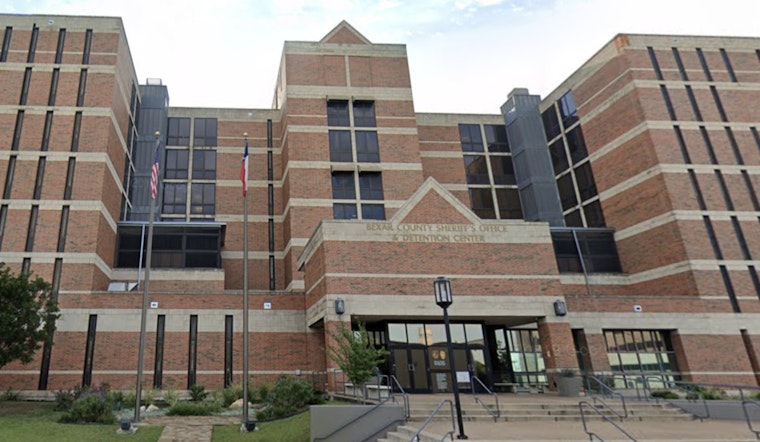
A groundbreaking study spearheaded by Harvard Law School researchers is shaking up the criminal justice system in Bexar County, Texas, by giving certain nonviolent inmates a chance to walk free. The San Antonio Report revealed that the ambitious project, conducted in collaboration with the Therapeutic Justice Foundation, employs a randomized control approach to offer free bail to selected detainees who otherwise couldn’t afford it. The study intends to examine the repercussions of pretrial incarceration on individuals accused of minor, nonviolent crimes.
Jim Greiner, Harvard’s point man for the endeavor, said it provides inmates with a 50-50 shot at getting released on bail, a process he likens to a "coin flip." In a statement obtained by San Antonio Report, Greiner expressed a cautious optimism, devoid of bias toward the potential findings. "Maybe we do need bail to deter people from doing things we don’t want them to do — or maybe the consequences [of incarceration] aren’t all that bad," he admitted, emphasizing the exploratory nature of the research.
While the study has yet to reach its participant target of 1,000 to 1,400 individuals, those who agree to partake and win the "lottery" gain access to support services courtesy of the Foundation. Meanwhile, the individuals who aren't selected, remain in custody unless they can muster other avenues for release, according to details from KSAT. It’s a stark look at the harsh realities faced by those entangled in the cash bail system, where freedom often hinges on financial means.
Beyond the immediate effects on individual lives, Bexar County District Court Judge Ron Rangel sees the initiative as a potential catalyst for change, hinting at a future where resources may be allocated more judiciously. "We don’t necessarily need a Harvard study to know the overall negative effects of incarceration on nonviolent offenders," Rangel told San Antonio Report. Still, the involvement of a prestigious institution could sway opinions and sew the seeds for systemic reforms.
The importance of the study is underscored in light of recent tragedies, like the case of Derrick Ellison, a detainee who died while in custody, reported by KSAT. His bond was set at a modest $1,500, yet his inability to pay spelled a death sentence. Ellison's case is emblematic of the harsh realities that the Harvard study seeks to bring to the forefront. If deemed successful, the ripple effects of this research could echo far beyond the walls of Bexar County Jail and challenge the very tenets of the cash bail system.



