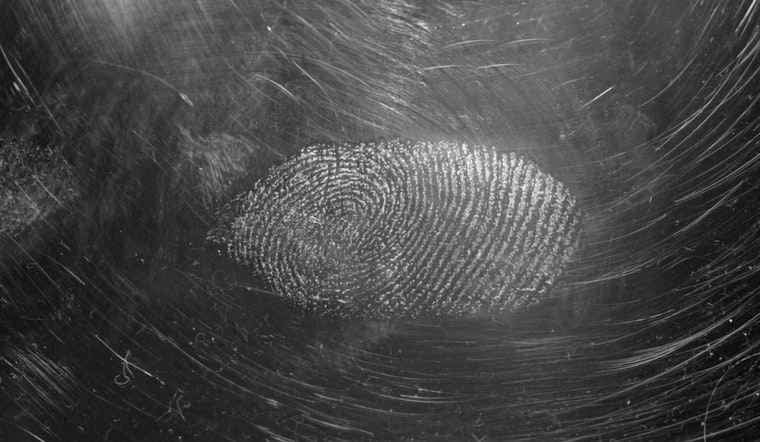
In Houston, the battle to shrink the evidence backlog in the city's crime lab continues with administrators reporting a slow but steady progress. According to the Houston Chronicle, the Houston Forensic Science Center has cut down its backlog from around 4,900 cases to approximately 4,100, with the seized drugs and firearms divisions seeing sizable increases in caseload. Dr. Peter Stout, president of the center, attributes this improvement to recent additions to staff, mentioning that new hires in key divisions have helped in relieving some of the logjam.
However, despite these efforts, industry-wide issues such as hiring and retention difficulties, with the need for increased funding and attention on staff turnover, are hindering a full resolution. The training time for new analysts, taking up to three years, is adding to the prolonged journey towards backlog elimination. As Stout explained, “Experts saw this coming 5 to 10 years ago with the expected wave of retirements,” which was “exacerbated by a spike in the violent crime rate during the pandemic,” the Houston Landing reported.
It's not just Houston grappling with backlog woes. Crime labs across the nation are facing similar circumstances. The Southwestern Institute of Forensic Sciences in Dallas County, despite having a smaller budget and staff size than Houston's lab, reported a hefty 5,300 unexamined drug cases last month. Also, in comparison, Bexar County had about 750 DNA requests backlogged, nearly twice as many as Houston's figures not counting outsourced work. The clear takeaway, labs everywhere are struggling to keep up with the demand for forensic analysis as criminal caseloads balloon.
The financial and human resource challenges are stark, with Stout pointing out that the cost to train a new analyst in Houston's lab can rack up to about $500,000, which includes pay, benefits and training resources. With an annual turnover rate at the center doubling in the last three years to about 12 percent, Stout emphasized the importance of expanding mental health and wellness resources to combat employee burnout. "Laboratories run on this ragged edge of capacity, all the time," Stout said, "So we lose one person? It’s a huge gap because there is no excess capacity in anything," as stated by Houston Landing.
Funding has also been a contentious subject, with Harris County District Attorney Kim Ogg vocal about the impact of backlogs on public safety and the need for full funding of the crime lab by the city. The city has injected almost $5 million in federal coronavirus relief dollars into the lab, funding training and outsourcing efforts. Nevertheless, Stout also indicated the limitations of outsourcing, acknowledging that most labs capable of handling excess work are already operating at capacity.
There are varied perspectives on the root causes of the backlog and the perceived inefficiency of the lab. Some blame have pointed to the sheer volume of cases being filed, suggesting that a more discerning approach by prosecutors might alleviate some pressure. "A laboratory only has so many resources and if those resources are taken up on cases that are ultimately kind of like a wild goose chase, that’s probably not the best expenditure of resources," Nicolas Hughes, a local criminal defense attorney and DNA consultant, told Houston Landing. Meanwhile, law enforcement officials maintain that they are merely fulfilling their duty to the public in pursuing criminal cases.