

























































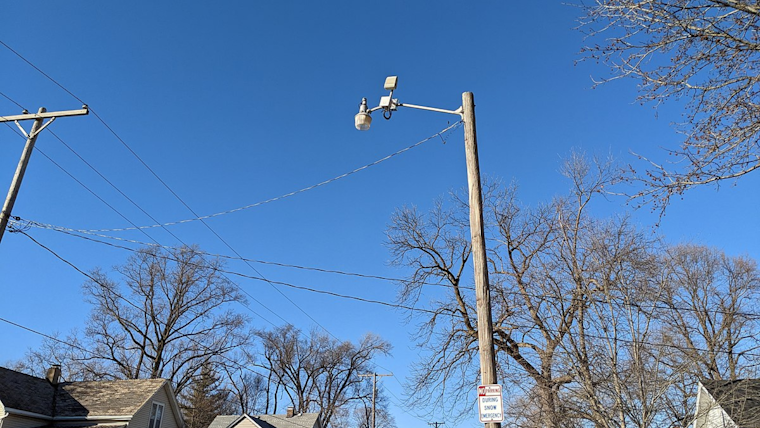
Questions of security, privacy, and alleged discrimination have soared to the forefront following the leak of confidential data about the locations of ShotSpotter sensors — devices designed to detect and report gunshots. The release of this data by WIRED has sparked a debate that has resonated within communities nationwide, with the revelation impacting over 12 million Americans living in neighborhoods where these sensors are affixed.
These gunshot-detection systems, integrated by SoundThinking, formerly known as ShotSpotter, were meant to quickly alert police to the sound of gunshots. However, critics are now questioning not just the system's effectiveness, but its sheer presence predominantly in low-income, predominantly Black and Latino neighborhoods. The leak revealed that sensors could be found "on numerous schools, billboards, and government buildings" in areas with an average household income of about $50,000 a year, with nearly "70% of individuals residing in a community where there is at least one sensor identify themselves as either Black or Latino," as indicated by WIRED's analysis.
The outcry hasn't just been over the potential invasion of privacy — conversations picked up by the sensors have been mentioned as concerning — but also over claims of "techno-racism." Activists believe the technology could exacerbate biased policing practices. In Detroit, which according to FOX 2 Detroit, sees a large cluster of sensors, the disclosure has not gone unnoticed. Willie Burton, a member of Detroit’s Board of Commissioners, welcomed the transparency saying, "This technology is definitely not… saving lives. It’s definitely unconstitutional. It violates civil liberties, our constitutional rights every single day."
Detroit's response has been to maintain their strategy, affirming to FOX 2 Detroit that, "The department’s current deployment strategy has not changed from when the ShotSpotter expansion was proposed and approved by City Council." Still, there remains a critique that funds poured into the ShotSpotter initiative "could have been spent on more officers" or "more community engagement," or have "stayed in people’s pockets," as per Scotty Boman of the Detroit Residents Advancing Civilian Oversight.
SoundThinking is seeking legal action, alleging the leak to have been executed by former employees. A spokesperson asserted to the Wisconsin Examiner that the company "cannot comment specifically on the leaked data," but criticized the security risks posed by making sensor locations public, claiming it represents a "security and operation risk." The ongoing conversation, now fueled by the details made public, continues to balance the line between advocacy for public safety and the protection of civil liberties within technologically surveilled communities.





