

























































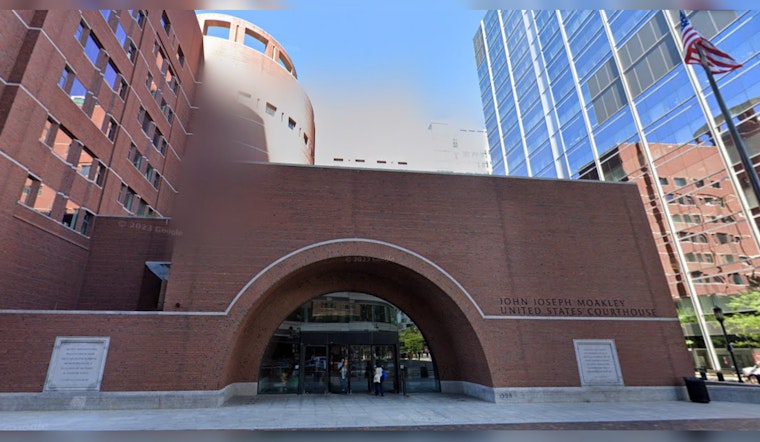
Louis Coleman, the man convicted in the tragic 2019 kidnapping and death of Jassy Correia, is now seeking to overturn his life sentence. According to a Boston 25 News report, Coleman's defense filed an appeal arguing that his kidnapping conviction was mostly based on circumstantial evidence, and that he was never actually charged with homicide. Correia, a vibrant young mother, faced a gruesome death, her body discovered in a suitcase in the back of Coleman's car.
The details emerged when Correia, about to celebrate her 23rd birthday, was denied entry into an Uber and encountered Coleman, who'd also been at the Venu nightclub. In a tragic turn of events, security footage would corroborate to later reveal Coleman dragging Correia's lifeless form into his Providence apartment. Despite the allegations and the conviction that followed, Coleman's appeal claims the evidence presented at trial was insufficient to support the kidnapping charge. In a recently filed brief, his attorney argued that he did cause Correia's death but maintained the intercourse in his car may have been consensual, and the subsequent altercation led to her accidental death.
Coleman's lawyers, as cited by a Boston Herald report, contend that the jury wasn't presented with evidence to conclude that Coleman held Correia against her will for a significant period or intended to kidnap her. Echoes of historical racial biases were invoked in his defense. “Coleman, a Black man, asked the court to show prospective jurors a video about implicit bias and offered expert testimony describing the impact of negative police encounters on Black men,” arguing for a re-examination of the court's denial of those requests.
The appeal also dives into the complex history of race relations in America. Notable references include writings from Supreme Court Justice Thurgood Marshall and commentary from landmark court cases highlighting the persistent racial disparities. The defense suggests that these factors, combined with the alleged evidentiary oversights, require the court to at least consider a new trial. "The race-based gaps that first developed centuries ago are echoes from the past that still exist today. By all accounts, they are still stark," the brief emphasized, drawing on the systemic issues that have yet to be fully addressed. Correia's family, having attended the trial daily, still mourns her loss. "I feel sad because even with all this structure I have and justice has been made, I don't have my daughter back," Correia’s father told Boston 25.





-4.webp?w=160&h=400&fit=crop&crop=edges)