

























































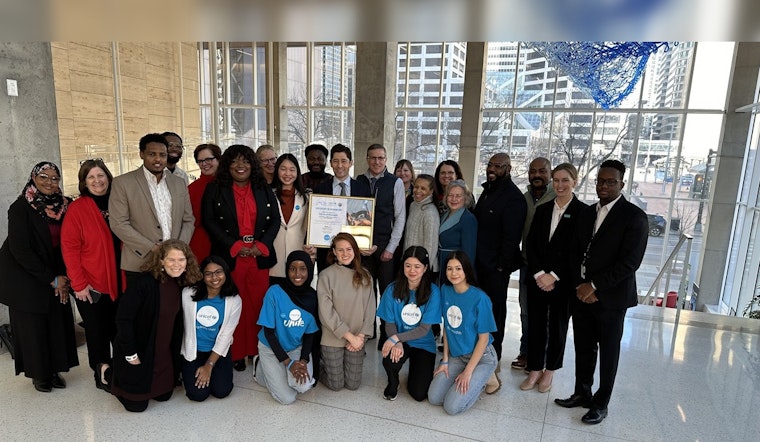
Minneapolis has staked its claim as a front-runner in the national movement to craft cities more hospitable to their youngest residents. The United Nations International Children’s Fund (UNICEF USA) has recognized the city's effort, naming Minneapolis the second in the United States to be designated a Child-Friendly City. This honor came to pass on the fourth anniversary of the City Council's resolution to actively pursue such a status, demonstrating a sustained commitment to the well-being of children.
According to the City of Minneapolis' official announcement, this designation reflects the City's ambition to "put children first" by working in partnership with leaders and community stakeholders to forge a nurturing environment for young people. The initiative aims to fully uphold children's rights as outlined in the UN Convention on the Rights of the Child, a move that Minneapolis has pledged to fully integrate into its policies and programs.
The UNICEF recognition is more than ceremonial; it’s a testament to Minneapolis' dedication to actionable change, with the city creating a comprehensive action plan designed to improve the lives of children across multiple dimensions such as safety, health, education, and engagement in civic life. This holistic approach is in line with UNICEF's global Child-Friendly Cities Initiative, which seeks to ensure that all children have access to necessary services and are protected from discrimination, violence, and neglect.
The city's efforts have already begun to make tangible impacts. Minneapolis Mayor Jacob Frey praised the recognition in a Facebook post, "We have worked hard to really listen to kids and incorporate their insights and needs into our policies." The collaboration is indicative of a broader vision, one where children are not merely to inhabit the city but to actively shape it.
Minneapolis' recognition as a UNICEF Child-Friendly City anchors it more firmly in a growing global network of urban areas committed to placing children at the heart of their developmental strategies. While the designation is currently unique within the country, it serves as a potential blueprint for other cities inspired to similarly prioritize the rights and needs of the youngest members of their communities.


