

























































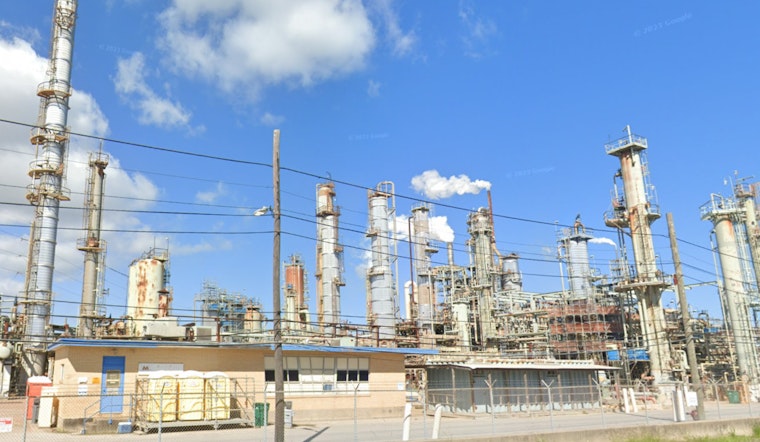
The U.S. Environmental Protection Agency has tightened the screws on air pollution standards, specifically targeting particulate matter — also known as soot — by lowering the permissible levels in the air from 12 to 9 micrograms per cubic meter annually. This move by the Biden administration, which marks the first adjustment in these limits since 2012, aims to clamp down on a pollutant blamed for a host of health issues, including respiratory problems and cardiovascular damage.
As a result of the new standards, large swaths of Texas including Houston, Austin, and Dallas, might have to put the brakes on industrial development. Under the updated air quality rules, these areas could lose federal funding if they fail to cut back on pollution, the Houston Chronicle reported. Industry leaders and the U.S. Chamber of Commerce are pushing back, warning that these changes would put a damper on the establishment of factories and petrochemical plants, potentially stalling economic growth in regions that are already heavily industrialized.
The new measures are expected to prevent up to 4,500 premature deaths and save as many as $46 billion in net health benefits by 2032, according to the EPA. "This final air quality standard will save lives and make all people healthier, especially within America’s most vulnerable and overburdened communities," EPA Administrator Michael Regan stated.
The pushback from industry groups and the U.S. Chamber of Commerce has been fierce, with some labeling the ruling as "short-sighted." The American Petroleum Institute called it a standard with no scientific basis that will "prioritize foreign energy and manufacturing from unstable regions of the world over American jobs, manufacturing, and national security," as documented by the Texas Tribune. Texas Attorney General Ken Paxton is among the 18 other Republican attorneys general who have raised objections, criticizing the EPA's new standard as scientifically unjustified.
The introduction of the stricter standards is an opportunity for the public to demand action on particulate matter pollution, which has often been overshadowed by the focus on ozone. "I think there is an opportunity because there will be this renewed look at particulate pollution in the state that will provide the public opportunity to demand action to address the pollution," Paul Billings, national senior vice president for public policy at the American Lung Association, told the Texas Tribune. Luke Metzger, executive director of Environment Texas, echoed these sentiments, calling the EPA's decision "a welcome step toward a healthier future."





