

























































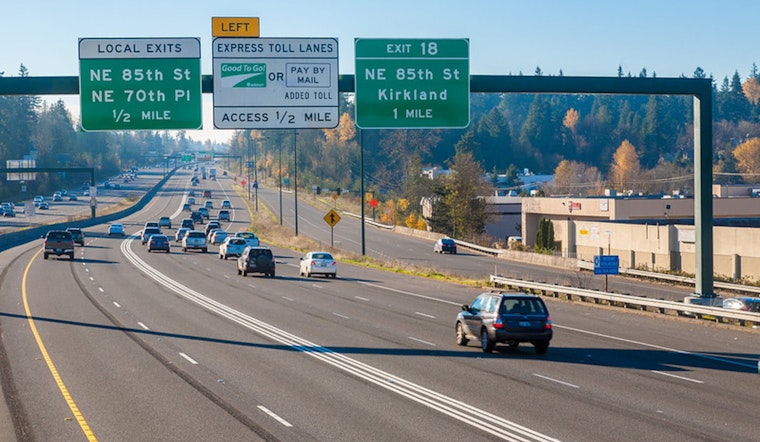
New Yorkers. As of March 1, tolls on Interstate 405 and State Route 167 are set to see an increase, with the Washington State Transportation Commission green-lighting the hike after a 5-1 vote back in January. The decision comes as a blow to daily commuters, who now face a new peak rate of $15, a steep climb from the current maximum charges.
The toll adjustment is designed to not just fill state coffers but to also ease the grind of daily traffic. By cranking up prices, the state aims to discourage enough drivers from entering the premium lanes during rush hours to significantly reduce overall congestion. The new rates, which will fluctuate based on traffic volume, range from the base rate of $1 during quieter times up to the new $15 ceiling during peak congestion periods, KOMO News reports.
As stated by Carl See, Deputy Director of the Washington State Transportation Commission, the rate increases come after the state felt the pinch of revenue losses during the COVID-19 pandemic closures and now looks to address construction funding deficits for critical expansions and improvements. "The funding issue is tied to the recently awarded projects, the north end expansion from one lane to two lanes on 405 and improvements on 167 on the south," See told KING 5. The toll lanes, unaffected at night and on weekends, will operate under the new prices from 5 a.m. to 8 p.m., reflecting a one-hour extension from previous timings.
Meanwhile, the Washington State Department of Transportation (WSDOT) is frequently criticized for what are often called "Lexus Lanes" – express paths that appear tailored for those with the means to opt out of the gridlock. And while the toll hikes could theoretically provide a faster, more dependable commute for some, they risk sidelining those less economically fortunate into longer, punishing transit times. According to The Seattle Times, richer folks do indeed pivot more frequently into these priced lanes, whereas those who earn less might only do so in dire need.
It’s worth noting, that the increases, which mark the first change in toll rates for these corridors in over a decade, are part of a larger plan to construct more toll and exit-only lanes, ultimately financed by a blend of gas taxes, fees, and possibly federal grants. However, for the regular driver battling daily congestion, the true cost of these plans will hit home each time they reach a toll booth or consider an empty express lane while being stuck in traffic.





