

























































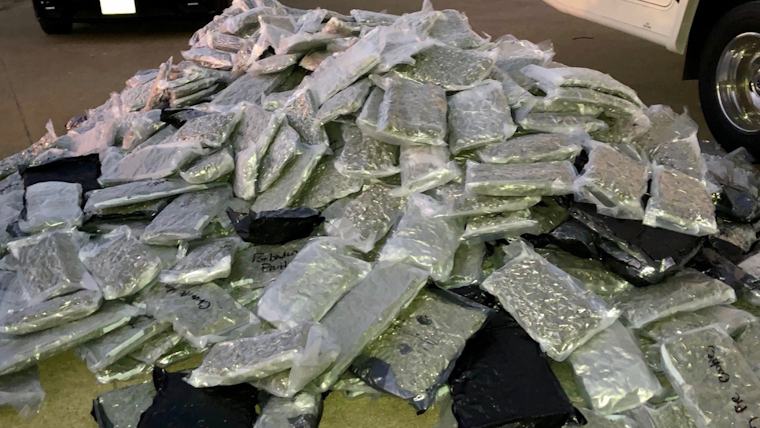
In a unified front against Mexican drug cartels, eight North Texas sheriffs from various counties have revealed a significant collaboration effort - the North Texas Criminal Interdiction Unit (NTCIU). This collective aims to dismantle the powerful trafficking networks that ferry drugs, weapons, and human beings through key transport arteries like I-35 and Highway 75, according to The Dallas Express.
Fighting what has been described as "extraordinarily dangerous work," the sheriffs' partnership has seen notable success in intercepting narcotics, recovering stolen vehicles, and leading to hundreds of arrests. "I’m proud to be joined with these sheriffs because we’re doing what we can to protect our citizens," Collin County Sheriff Jim Skinner stated in a press conference, facing the spreading tentacles of cartels establishing safe houses and packaging hubs, especially in the Dallas-Fort Worth area, according to NBC DFW.
The NTCIU, wielding jurisdiction across eight counties, has been a bane for traffickers. Sheriffs reported over 570 felony arrests and the recovery of 119 vehicles, alongside massive hauls of illegal drugs including marijuana, methamphetamine, cocaine, heroin, and especially fentanyl - a potent opioid responsible for a troubling rise in overdose deaths, as per The Dallas Express. Displaying the tangible perils of this warfare, Tarrant County Sheriff Bill Waybourn showed reporters bullet-ridden gear from a recent shootout with a trafficker.
Despite this, the Dallas Police Department is contending with its battles, facing a significant officer shortage that hampers its crime-fighting capabilities. Even after a budget increase to $654 million, Dallas lags behind other high-crime cities regarding police funding. Meanwhile, comparisons by the Metroplex Civic & Business Association highlight stark contrasts in crime rates between downtown areas of different cities, with Dallas suffering more than its neighbor Fort Worth.
The Dallas area has become a strategic drug distribution point, necessitating collaborative efforts across county lines and even involving DFW Airport and Homeland Security. The sheriffs aim to create, as Grayson County Sheriff Tom Watt put it, "a gauntlet" for cartels trying to move their operations northward, according to NBC DFW. Skinner signaled optimism in the face of a grim battle, pointing to a decrease in fentanyl-related deaths as a direct effect of the NTCIU's intensified operations.
While there's acclaim for the NTCIU's crackdowns leading to federal charges for many suspects, the effort is not solely focused on drug suppliers. Sheriff Waybourn emphasized the need for cities to contribute their part, saying, "we are doing our part to stop suppliers and are ‘counting’ on cities to ‘do their part,’" as reported by NBC DFW. The statement illustrates an understanding that although the NTCIU is staunchly intercepting supply lines, the broader issue of drug addiction sprawls far beyond its reach and requires collaborative efforts from various societal sectors.





