In an effort to tackle the ongoing drug and alcohol crisis, Portland is revving up plans to build a much-needed sobering center, a hub where emergency services can bring those grappling with addiction and substance-induced crises. The proposed center, backed by Multnomah County and the city of Portland, is searching for both a location and the necessary funding to provide 24/7 care. According to OregonLive, the project could cost up to $30 million to open and an additional $10 million annually to operate.
The urgency of this initiative can’t be overstated, given the alarming spike in overdoses in the city since the closure of the former Sobering Station in 2019. To upgrade the infrastructure that's sorely needed given the epidemic, the project aims to renovate a building that would accommodate between 35 to 50 beds. This information comes amidst the backdrop of failures to reopen a sobering facility, which over the past four years has seen investment in both funds and labor across several groups, as reported by EMS1.
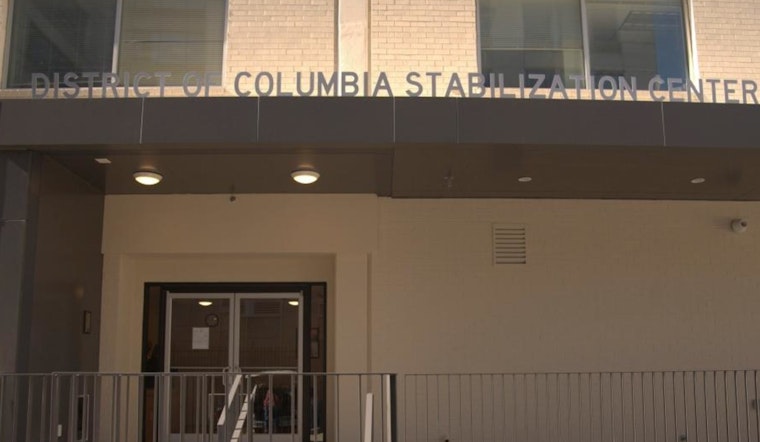
Portland isn't the only city directing resources towards sobering centers as a bid to alleviate the stress on overburdened hospitals and first responders. The Nation's capital, Washington D.C., has seen early successes with the opening of its D.C. Stabilization Center. The facility, operational since last year, has received over 1,000 admissions in just three months and is central to Mayor Muriel E. Bowser's plan to curb the city's fatal overdoses. A comprehensive report by The Washington Post highlighted the value of such a center providing on-the-spot care, and potentially connecting patients with longer-term treatment options.
The sobering center in D.C. doesn't just give people a place to safely recover, but its staff—who include nurses and mentors with firsthand experience in addiction—offer empathy and support to those in their darkest moments. Encounters on the street, such as a man found passed out and inebriated, are testament to the everyday crises that these centers aim to ameliorate; after being picked up by paramedics, he was whisked away to find a safe space on a cold January night. In D.C., the approach is showing potential, saving critical emergency resources and providing a bridge to recovery for many who are treading a perilous path, recounted The Washington Post.
As Portland seeks to get its act together, understanding the value of this resource cannot be understated. By providing a specific place for care, the locality hopes not only to support individuals in crisis but also to take a step in stemming the tide of the wider public health dilemma of addiction. With the plans now "moving very quickly," as Multnomah County's director of government relations Jeston Black told lawmakers, the sobering center could soon become a reality—a new foothold in the community's fight against the scourge of addictions.