

























































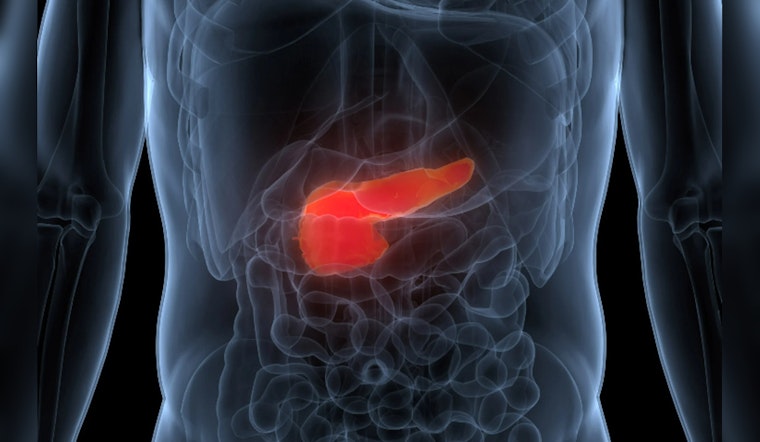
A groundbreaking AI system has the potential to revolutionize the early detection of pancreatic cancer, which might save countless lives by spotting at-risk individuals a year and a half before the disease is normally diagnosed. Developed by scientists from Beth Israel Deaconess Medical Center (BIDMC) and collaborators at MIT, this neural network could increase the detection rate of the cancer by 3.5 times compared to current screening practices, Harvard Gazette reported.
Pancreatic cancer has a devastating prognosis due to its late-stage detection, but early diagnosis could elevate the survival rate significantly, however, most patients miss the opportunity of early screening since current guidelines only target a small fraction of those at risk; Limor Appelbaum, a major player in this research and an instructor at Harvard Medical School, emphasized the necessity to expand the reach of screenings beyond the limited number who are screened today due to genetic predispositions, according to the same report.
The power of the AI system, named PrismNN, lies in its training on more than 1.5 million electronic health records, provided by TriNetX, yielding an average of 13 years of data, such as demographics, doctor's visits, and lab results. This extensive data set empowers PrismNN to identify 87 distinctive features that may indicate the risk of cancer development, as mentioned in Harvard Gazette. Appelbaum told the publication that the intention is to integrate this tool into everyday clinical practice, serving physicians across the nation, whether in urban hospitals or rural clinics, making early detection more accessible.
Real-world validation is underway for PrismNN, as high-risk patients identified by the model are being tracked and invited to participate in further studies seeking biomarkers for pancreatic cancer, this novel approach has the potential to broaden the pool of individuals eligible for annual scans and may just be a game-changer in cancer screening, as highlighted by the recent findings published in eBioMedicine. This ambitious project was made possible with funding from various sources including the Prevent Cancer Foundation, TriNetX, Boeing, DARPA, NSF, and Aarno Labs, the study authors including Irving D. Kaplan of BIDMC, are confident in the model's potential to save lives, as noted in the same article.





