

























































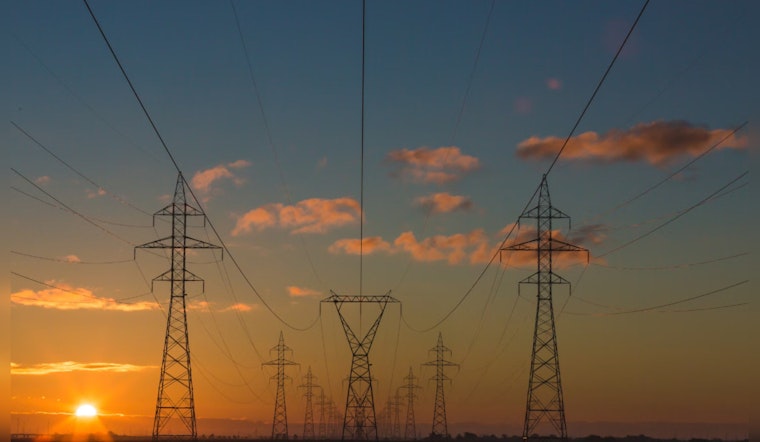
In a bold legislative move, Texas Democrats, led by U.S. Rep. Greg Casar, have introduced the Connect the Grid Act in an effort to tether Texas's independent electricity infrastructure to the broader U.S. power grid, a step aimed at bolstering energy reliability in the face of extreme weather. According to the San Antonio Report, the proposal comes on the heels of the third anniversary of Winter Storm Uri, which tragically claimed hundreds of lives and left over 10 million Texans in the dark due to massive power outages.
The proposed legislation specifically obliges the Electric Reliability Council of Texas (ERCOT) to coordinate with the Federal Energy Regulatory Commission (FERC) to forge connections with adjacent grid domains, though at the moment no Republican congress members have signed onto the bill and its immediate future in a GOP-led House seems doubtful, the bill's proponents are focused on establishing groundwork for eventual support, particularly leveraging Texas's burgeoning renewable energy sector to combat the climate crisis and demonstrate the potential benefits of such an integration; "connecting ourselves to the rest of the country," Congressman Casar told the MSN.
U.S. Rep. Joaquín Castro amplified the urgency of the act by condemning the profiteering that occurred during the disaster, pointing a finger at a select few companies that reaped billions from the crisis—a situation Castro described at a news conference as one which stemmed from years of warnings about grid vulnerabilities being ignored by state leadership. The financial aftermath of the winter storm has also burdened San Antonio residents with an extra monthly charge on their utility bills for the next two decades, money that will help CPS Energy cover the extraordinary costs accrued during the storm, when ERCOT allowed wholesale electricity prices to surge to unprecedented heights, as reported by the San Antonio Report.
In appraisal of the benefits of interconnection, Castro and other Texas Democrats cited the relative stability of areas like El Paso and Beaumont which, during Winter Storm Uri, did not suffer the same fate as the majority of the state due to their existing ties to outside grids; critics of the isolationist stance, such as Rep. Alexandria Ocasio-Cortez who is co-leading the bill, highlight the heavy costs of natural disasters and the predatory nature of corporate responses in such emergencies, "the only way that we prevent this from happening again is by standing up to those same executives that call that situation incredible," she remarked according to an MSN report, emphasizing the imperative of federal cooperation for the interests of Texas consumers.
Despite the enthusiasm of its advocates, the Connect the Grid Act faces significant skepticism among state Republicans, like state Sen. Charles Schwertner, who at the ERCOT Energy Summit in Austin, doubted the efficacy and desirability of such connections, underscoring the state's preference for independence from federal oversight—a stance that has shaped Texas's energy policy for years, this skepticism mirrors the challenges ahead for the bill given the partisan divide and the geopolitical implications of the nation's energy infrastructure but, if nothing else, it has sparked a broader conversation regarding the resilience and interdependence of our modern power systems, as the bill's purveyors hinted in recent congressional outings.





