

























































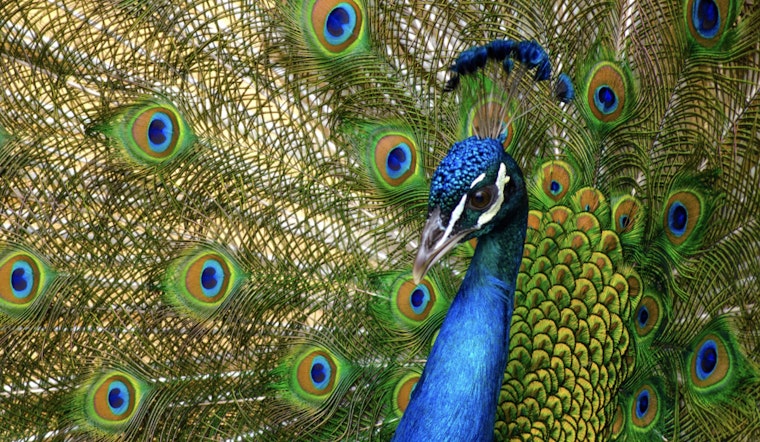
Residents of a San Antonio neighborhood are on high alert after a series of alleged "birdnappings" targeting the community's wild peacocks, a beloved local staple for decades. These elegant creatures have been part of the area's unique charm, freely roaming and flaunting their iridescent plumes to the delight and sometimes the dismay of their human neighbors. The recent incident involved two individuals caught in the act of pinning down one of these birds, as reported by local eyewitness Leslie Word.
"My wife was getting ready to go to her sister’s house and we heard a commotion," Word described the unsettling scene, according to KENS 5. "It’s like you going in and snatching somebody’s child; people are going to cry. So, they were loud." While the culprits claimed they held a permit for their actions, no proof was presented to back this up. A spokesperson from Animal Control Services later confirmed that the City of San Antonio does not issue permits to remove wildlife from neighborhoods.
The episode has stirred memories and protective sentiments among long-standing residents. Mark, whose last half-century has intertwined with the birds' colorful presence, underscored their community status to JNY Law. "These peacocks have been living here as long as I can remember," he explained. They've become deeply integrated into the local ecosystem, to such an extent that residents consider them part of the neighborhood's family.
The alleged poachers' intent remains a matter of conjecture and concern; as Word remarked, whether their goal was to sell, harm, or relocate the bird, the act was undeniably cruel. San Antonio city ordinances are clear on the matter; trapping, abusing, or selling peacocks in public places is strictly prohibited. Residents echo these protections, urging visitors to appreciate but not harass the wildlife that gives their neighborhood its unique character. In the event of witnessing cruelty or finding an injured peacock, locals are encouraged to contact city authorities or the wildlife rescue.
Such conflicts highlight the broader struggle of wildlife coexisting with urban expansion. As these peacocks, marked by their beauty and serene dignity, continue to navigate the shared spaces of their human counterparts, the community's vigilance serves as a stark reminder of the fragility of this balance, and the collective responsibility to respect the freedom and wellbeing of all creatures sharing our environment.





