

























































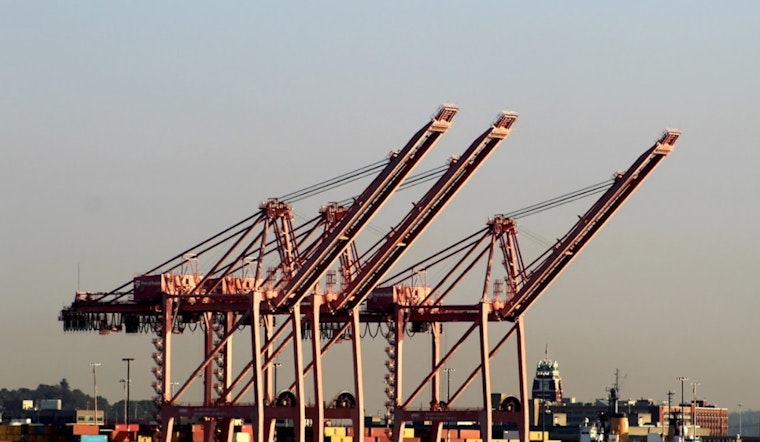
Tensions are mounting in the Pacific Northwest as the specter of espionage casts its shadow over the ports of Seattle and Tacoma, where Chinese-manufactured cranes towering over the docks have raised alarms over potential national security risks. According to a statement given to FOX 13 Seattle, the local port authorities have no immediate plans to replace these so-called 'spy cranes.' This revelation comes hard on the heels of an announcement from President Biden that the federal government will funnel $20 billion into amping up port security and jumpstarting a domestic crane production initiative.
The Northwest Seaport Alliance, in light of President Biden's statements, has publicly acknowledged the situation, proclaiming a steadfast commitment to stringent cybersecurity protocols but highlighting a lack of alternatives stating “Marine terminals in The Northwest Seaport Alliance gateway (includes Port of Tacoma and Port of Seattle) operate ZPMC cranes, as there are currently no American-made super post-panamax cranes available on the market,” this according to what they disclosed to AOL News.
While the NWSA claims its cybersecurity procedures can stand up to scrutiny, President Biden's initiative underscores deep-seated apprehensions that the Chinese cranes, adorned with advanced software, might be manipulated to surveil sensitive shipping data or worse, remotely undermined in a cyber onslaught. As reported by The News Tribune, the Administration is vested in securing America's maritime infrastructure from such vulnerabilities, thrusting a spotlight on the technological tango between global trade efficiency and national security imperatives.
The ongoing gravity of the situation echoes the broader geopolitical chess game playing out on international waters where technology serves both as a conduit for global commerce and a potential trojan horse in the realm of digital warfare, amid this virtual minefield, the NWSA's insistence on the solidity of their cybersecurity measures and the ongoing assessment of emerging federal guidelines illustrates a narrative that is far from concluded; the balance between safeguarding the nation's critical nodes of exchange and maintaining the arteries of trade is delicate, and the future of these 'spy cranes' hangs in the balance against the backdrop of a world that grows smaller by the byte.





