

























































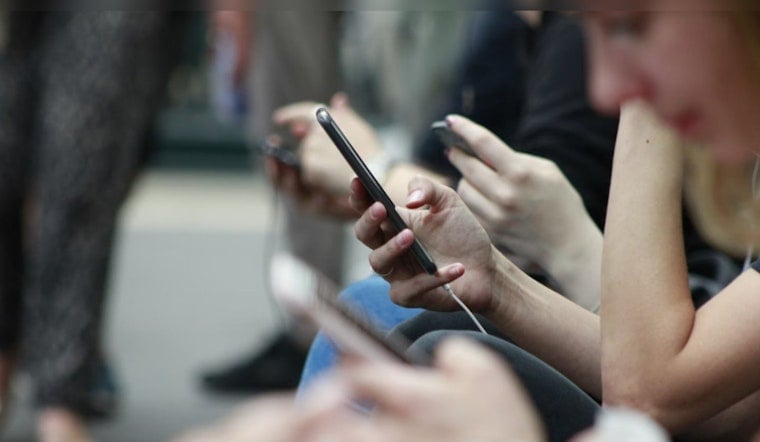
Seattle has earned a peculiar distinction, standing out as the United States metro area with the highest rate of phone call avoidance. Citing the U.S. Census Bureau's latest Household Pulse Survey findings, it's reported that a staggering 26% of adults in the Seattle area talk on the phone with family, friends, or neighbors less than once a week, according to The Seattle Times. This Seattle-specific trend seems to echo the discomfort dubbed telephonophobia, a term reflecting society's growing unease with conventional phone calls, particularly among younger cohorts.
Reviewing the national landscape, the survey highlights San Francisco as a distant runner-up, with an estimated 20% phone call avoidance. In stark contrast and seen from running a mile away, only 12% of New York adults skip making weekly phone calls to their contacts, suggesting a marked divide in telephonic communication across big cities. These stats were extrapolated from a survey cohort of roughly 3.1 million adults in Seattle, which mirror data from BNN Breaking, where it was also noted that despite avoiding calls, Seattle residents don't shy away from texting, keeping in step with the national trend.
Comparatively, other populous metros like Boston, Los Angeles, Phoenix, and Riverside register around the national average of 17% when it comes to avoiding phone calls, signaling that while Seattle may be an outlier, the hesitation to use phones for their original purpose is not isolated. The statistics from the Household Pulse Survey, as highlighted by MSN, underline an intriguing cultural shift in the realm of personal communication.
One angle left unexplored by the survey is the role of video-calling platforms like Skype and FaceTime, which have become ubiquitous communication methods, especially popular among those who avoid traditional phone calls. The survey didn't probe into the reasons behind respondents' telephonic habits, leaving pundits to speculate about the drivers of this modern phobia affecting a city as notable as Seattle for its technologically savvy population.





