

























































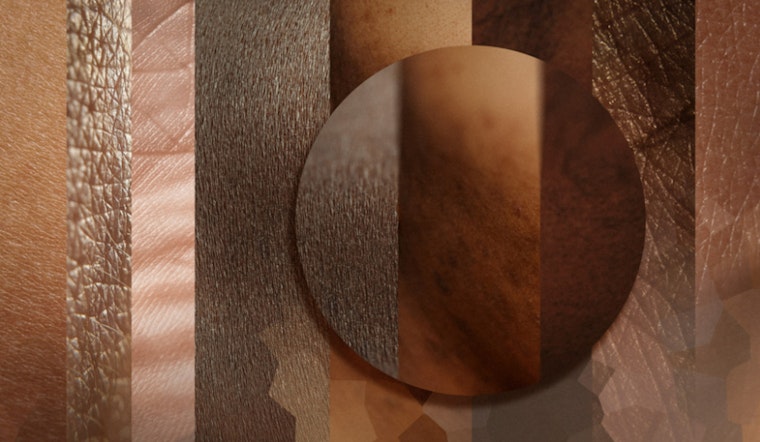
A recent study conducted by researchers at MIT has exposed a concerning gap in the diagnostic capabilities of doctors when it comes to recognizing diseases on darker skin, implying a need for more inclusive training and potential AI assistance, the MIT News reported. Dermatologists correctly identified skin conditions through images just 38% of the time, but their success rate fell to 34% when diagnosing patients with darker complexions, while general practitioners also slipped in performance when looking at the same set of darker skin images.
The study, which involved over 1,000 medical professionals, highlighted not just discrepancies in diagnosis but also pointed out the potential benefits of integrating artificial intelligence in medical decision-making, though the improvements were skewed towards patients with lighter skin. “This is one of those situations where you need empirical evidence to help people figure out how you might want to change policies around dermatology education.” Matt Groh, a key researcher in the study, posited in a statement obtained by MIT News.
Beyond raw statistics, the roots of the problem appear entangled with the lack of representation of darker skin in dermatological literature, posing an educational shortfall for professionals in the field. Dr. Jenna Lester, who leads the Skin of Color Program at the University of California at San Francisco, corroborated the significance of the findings, stating, “This study demonstrates clearly that there is a disparity in diagnosis of skin conditions in dark skin. This disparity is not surprising; however, I have not seen it demonstrated in the literature such a robust way. Further research should be performed to try and determine more precisely what the causative and mitigating factors of this disparity might be,”
The MIT study follows on the heels of other research indicating biases in technological applications such as facial-analysis programs, which have been shown to struggle with the gender identification of individuals with darker skin tones, a phenomenon explored by previous MIT researcher Joy Buolamwini. The current research extends this critical lens to the domain of health care, where machine learning and expert human judgment intersect; however, for dermatologists, the introduction of an AI-assisted algorithm upped diagnostic accuracy to 60%, the general practitioners bumped up theirs to 47%, the success frame was dimmer for darker skin, which could suggest the underlying inexperience of the practitioners with a variety of skin tones.
Underscoring the urgency to broaden dermatological expertise across all skin types, the MIT findings offer a dual directive: an overhaul in medical education to cover more ground on darker skin diseases and a calibrated employment of AI to supplement but not supplant the nuanced judgment of well-trained doctors. Armed with these insights and fueled by institutional backing, including funding from the MIT Media Lab Consortium and the Harold Horowitz Student Research Fund, the battle for closing the divide in skin disease diagnosis across skin tones appears to be gaining scientific traction.





