

























































In a recent study that scrutinizes the emotional fallout from Southeast Asian wildfires, researchers determined a noticeable psychological toll on people, with the fallout intensifying when the blazes originate from neighboring countries. The study, conducted by an international team, was disclosed on MIT News, suggesting that cross-border smoke considerably darkens public mood.
Experts turned to social media for tangible sentiment analysis, combing through over a million tweets from users to gauge the collective emotional dip. It appears that the anxiety and blue Monday sentiment familiar to many is akin to, in magnitude, the impact felt when skies are marred by wildfire haze. "It has a substantial negative impact on people’s subjective well-being," Siqi Zheng, an MIT professor and a principal investigator in the study, told MIT News. "This is a big effect."
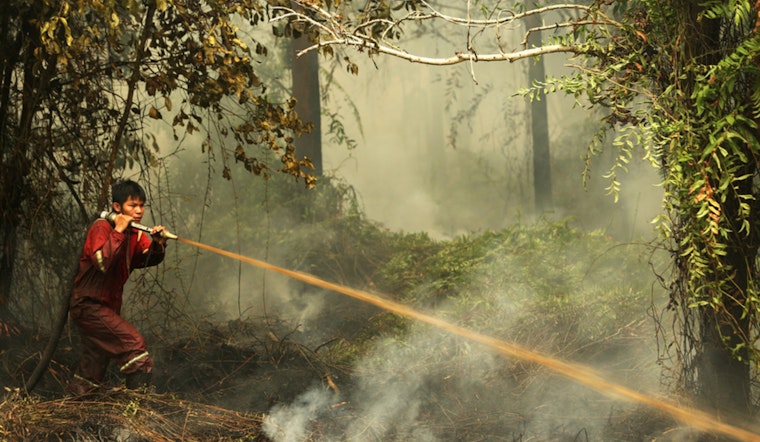
The research gleans insights from the copious smoke clouds over Southeast Asia in 2019, thrown up by wildfires in Indonesia linked to climate change and the palm oil industry's deforestation efforts. Seven nations bore the brunt of the resulting air pollution, with data gathered via social media, satellite imagery, and meticulous natural language processing technology to accurately pin down emotional temperatures across regions.
Transboundary smoke, it turns out, doesn’t just fog the air — it casts shadows on public sentiment, as evidenced by the research findings. "What we are seeing from our estimates is really just the pure causal effect of the transboundary wildfire smoke," Rui Du, an economic analyst at Oklahoma State University and co-author of the study, explained to MIT News. The study also highlights a discernible trend where individuals feel more upset when faced with smoke from overseas fires compared to those originating from their homeland, pointing to a more profound reaction towards international over domestic smoke incursions.
Such findings hold the potential to spur neighboring countries into more potent collaboration against the shared nemesis of wildfire smoke. Zheng suggests that the cross-border impacts might incentivize countries to unite in their efforts, pooling resources and information to mitigate these increasingly frequent climate change-spurred disasters. The rise in global wildfires necessitates cooperation lest the shared problem heavily impairs all involved.
The anguish wildfires stir among those in their shadow has been dissected before, but this study hones in on a unique angle by evaluating real-time reactions to the stressors and comparably measuring them with other lifestyle stress events, offering a fresh perspective into the environmental crisis's personal cost. Funding from the MIT Sustainable Urbanization Lab and the National Natural Science Foundation of China was critical in driving this research.





