

























































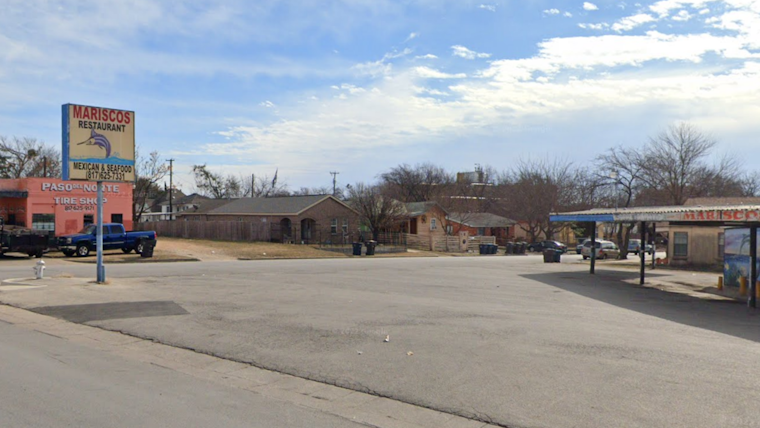
Early Sunday morning, a suspected drunk driver sent his car barreling into Mariscos Acapulco restaurant in Fort Worth, as per Fort Worth police. Twenty-five-year-old Antonio Garcia now faces driving while intoxicated charges after the 1:45 a.m. incident at the eatery located on the 1300 block of NW 25th Street, according to information from The Dallas Express.
Thankfully resulting in zero injuries, Garcia was taken into custody and subsequently booked into Fort Worth jail. The restaurant owner, caught in the unwelcome drama, has yet to issue any comments on the damage incurred or the crash itself.
Adding to the list of DWI-related misfortunes, another incident on January 27 witnessed Andrew Michael Guerra, 29-year-old, lead officers on a chase after a faltered attempt to stop him. Guerra, reportedly, crashed in Fort Worth's West 7th district, having hit two pedestrians and another vehicle before bringing his flight from the law to a catastrophic end. This event was detailed by The Dallas Express.
In a turn of resilience, the affected Acapulco Restaurant, taking the hit in stride, announced its reopening on the same day. "New entrance for restaurant courtyard," the restaurant quipped on social media. "We’re open today until 12am! Come eat and be with family!" they declared, seemingly unfazed through a post, as discovered by the Fort Worth Star-Telegram.
Despite the recent episodes, Fort Worth reportedly maintains a lower crime rate than its urban neighbor, Downtown Dallas. With a strategic approach comprising neighborhood-focused policing initiatives and partnerships with private security, the city reflects a solid defense against crime, outdoing the significant police officer deficit experienced in Dallas. The Dallas Police Department, despite being budgeted a sizeable $654 million this fiscal year, operates with around 3,000 officers, short of the 4,000 advised by a City report for optimal performance. This stark contrast in law enforcement efficiency is adapted from coverage by The Dallas Express. Fort Worth's approach paints a picture of how community-centered vigilance might just preclude unwarranted chaos from fracturing the peace of urban life.



