

























































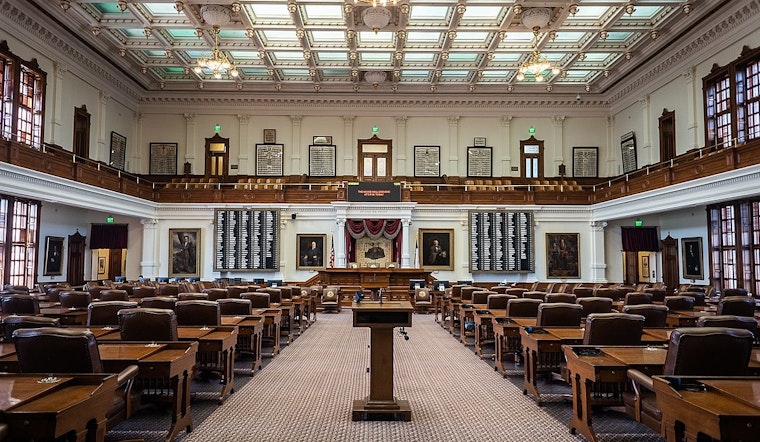
Texas House Republicans who stood against Gov. Greg Abbott's school voucher push are now facing heavy backlash in their primaries. A massive $1.15 million TV ad campaign, backed by the School Freedom Fund, targets eight primaries, escalating attacks from pro-voucher groups, as reported by The San Antonio Report. To further boost the campaign, Abbott himself is hitting the trail to endorse voucher-friendly incumbents and challengers alike.
Last year, during the legislative sessions, Gov. Abbott aimed to allow parents to use taxpayer dollars to shift children out of public schools, only to watch his agenda crumble. A decisive group of House Republicans blocked a voucher program from becoming part of the broad education bill, House Bill 1. Now, as primary season heats up, they find themselves in the crosshairs, with significant funding flowing to their opponents from pro-voucher entities and other aligned interests, intent on vindicating the governor's defeated policy. Among the embattled are Reps. Gary VanDeaver, Travis Clardy, and others, who now must defend not just their seats but their educational stance in the face of ads branding them as unsupportive of school freedom.
One such ad, aimed at Clardy, accuses him of inaction against the infiltration of "woke teachers" in his district, stating he was wrong to deny the issue and highlighting the district's engagement with a critical race theory specialist for curriculum training. The ads don't stop there, with some painting the lawmakers' position as anti-teacher and against public school funding increases, neglecting to fully disclose the complexities involved in the legislative wrangling over House Bill 1. This move has provoked a fierce response—local representatives, such as Glenn Rogers and others, have begun to vocally oppose the outside influences on Texas education, Rogers asserting, "I can't be bought, I can't be bullied and I can’t be intimidated," in a statement obtained by The San Antonio Report.
Despite the avalanche of funding and advertising against them, these representatives are striving to clarify the legislative narrative. They stress that axing the voucher proposal did not doom the other vital components of the failed bill. Rep. DeWayne Burns clarified on Facebook the unfortunate end for the bill fell to the author, who chose to withdraw it post-amendment rather than letting it come to a vote without the voucher element. This dispute over public education, the role of taxpayer money, and the influence of vouchers come to a head as Texas gears up for its primaries. It becomes a lucid example of the political battleground that primary elections can represent, showcasing differing visions for the state's educational trajectory.
Attorney General Ken Paxton, fighting his own campaign against those who voted for impeaching him, further complicates the scene, with his targets overlapping those of Abbott and the pro-voucher lobby. The result is a charged atmosphere, where Texas lawmakers must navigate not only the desires of their constituents but also the exerted pressure from influential politicos and donors, like billionaire Jeff Yass, who has poured money into the voucher crusade. As these Republicans brace against the internal tempest, all eyes are on Texas to see which vision of education will assert dominance come election time, as observed by The Temple Daily Telegram.





.jpg)