

























































The tragic killing of Laken Riley, a University of Georgia student, has swiftly become a lightning rod in the heated debate over immigration laws in the state of Georgia. As reported by FOX 5 Atlanta, the 22-year-old nursing student was murdered during a morning run on campus, an act which has not only devastated the local community but also stirred political controversy.
In the wake of the incident, Republican lawmakers are looking to rigorously tighten state immigration laws. The spotlight has fallen on Jose Antonio Ibarra, a Venezuelan migrant, who was apprehended for the crime. Ibarra had previously been detained and released by the Border Patrol, only to potentially re-offend tragically. An outcry has risen to ensure that something like this can never occur again, with emotions running high and calls to more effectively enforce immigration law echoing through the halls of Georgia's legislature.
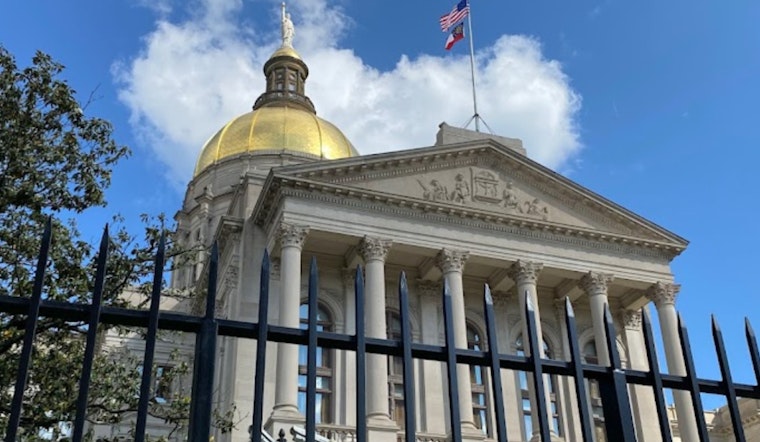
As per a statement obtained by The New York Times, a bill known as HB 1105, or the Georgia Criminal Alien Track and Report Act of 2024, has been introduced. It demands stricter monitoring of foreign nationals by local law enforcement and mandates quarterly reports on non-U.S. citizen inmates. It further authorizes Georgian officers to arrest individuals suspected of being in the country illegally.
The Latino community at UGA has voiced concerns over the rising tide of anti-immigrant sentiment, fearing for their safety and calling for unity instead of political division. UGA senior Jonathan Florencio appealed to the Athens community for solidarity "rather than making it more about political aspects," in an interview with FOX 5 Atlanta.
This crime has not gone unnoticed in the broader scope of national politics either. Former President Donald Trump has linked the tragedy to the current administration's border policies, sparking a flurry of debate over national immigration reform amidst an ongoing presidential election. Meanwhile, President Biden, while extending condolences to Riley's family, has emphasized accountability and justice.
Riley's death has unequivocally reignited a contentious argument over the correlation between immigration and crime. Despite numerous studies showing immigrants are less likely to commit violent crimes compared to native-born citizens, skepticism persists. Contradictory views between party lines remain stark, complicating the narrative even further.
As the political and social ramifications of Laken Riley's death continue to unfold, Georgia finds itself at the heart of a national conversation about immigration law enforcement and community safety, redefining the way in which such sensitive issues might be navigated and legislated in the future.




