

























































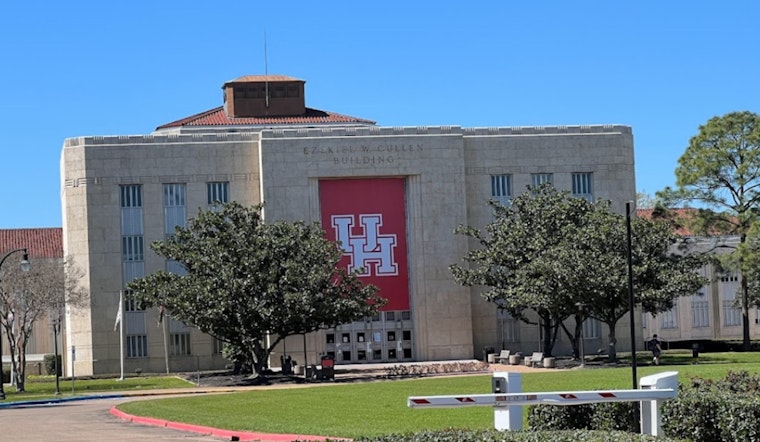
University of Houston students lobbied to redirect their fees from sports to support services, including mental health, but administrators pushed back, according to reports. The standoff reached the university's Board of Regents Wednesday when a student-led proposal, aiming to cut the roughly $8.3 million in student fees funding the athletics department by $1.5 million, was put on pause, as reported by the Houston Chronicle.
Board Chairman Tilman Fertitta, alongside other university officials, called for further discussions, effectively pushing the decision down the line, while UH President Renu Khator holds that the current student fees are vital during the transition into Big 12 conference play, yet at a board meeting, Khator was confronted by vocal students carrying banners and chanting, showcasing their disdain towards the financial emphasis on athletics over academic support services, a sentiment echoed by the chair of the Student Fee Advisory Committee, Yusuf Kadi, who in an interview with the Texas Tribune, argued that reduced dependency on fees was feasible with the inflow from the Big 12, and morality dictates the reallocation toward services of greater student necessity.
The tug-of-war between fiscal prioritization and student welfare underscores the larger discussion of collegiate models and the role of athletics in academic settings, especially after last year's back-to-back student suicides on the UH campus which fanned the flames of demand for increased mental health supports. Committee members hold that the athletic department's share, nearly one-third of the annual $23 million from student fees, suffocates other critical student services funding, and although Khator highlighted the redirected $5 million to a resiliency-focused student experience program, administration persisted in emphasizing the importance of competitive athletics funding even as protestors and students continued to level accusations of misplaced priorities.
Despite the back-and-forth, no deadline was set by Fertitta for an agreement to be reached, leaving the door open for continued debate on how UH's allocation of student fees should align with academic and welfare goals versus athletic aspirations.





