

























































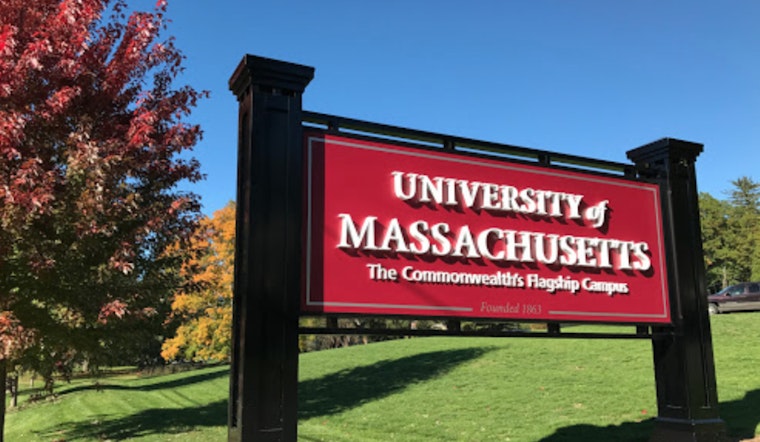
Heartfelt corporate decisions during the COVID-19 pandemic seem to pay off, at least for customer loyalty. A study from UMass Amherst's Isenberg School of Management found that hospitality businesses which slashed CEO pay instead of cutting jobs won favor with ethically minded customers, as reported in Cornell Hospitality Quarterly. Melissa Baker, an associate professor and key researcher, emphasized the significance of brands that resonate with their audience's values.
In times of unprecedented crises like global pandemics, firms often face tough choices. The research, co-authored by Yeonjung Kang of the University of Kentucky, and Baker, reveals that companies which demonstrated employee support, like reducing executive salaries, garnered more respect and loyalty among a certain customer demographic. These findings suggest that ethical business practices don't go unnoticed by the public, especially among those with higher ethical standards. Despite this, not all altruistic corporate gestures were effective across the board and, those businesses that opted for layoffs didn't necessarily damage their reputation among less idealistic consumers, according to the UMass Amherst study.
It's not just about the immediate financial recovery, but sustaining long-term brand support that seems paramount in these strategies. "You have to save the money so your business can stay afloat, but also understand that not taking care of your employees, particularly at the expense of keeping CEO pay high, may affect your long-term brand support," Baker said in a statement obtained by UMass Amherst News. Balancing cost-cutting measures with ethical considerations appears to be a successful strategy in maintaining a loyal customer base.
Putting corporate ethos to the test, the research shows a distinct appeal in brands with a human touch. The hospitality sector, according to Baker, requires teamwork and emotional engagement, which fuels businesses success. "It’s harder to quantify employee productivity and emotions, but hospitality is a team sport, and business is a team sport," Baker told UMass Amherst News. The sentiment underscores the study's narrative that supporting employees is beneficial, not just for worker morale, but as an investment in the company's image and consumer relations.
The comprehensive study gathers insight from over 400 survey responses from across the United States, employing the online platform MTurk for data collection. It delves into the consumer psyche and offers hospitality firms actionable guidance on managing crises with an eye toward long-term brand loyalty and ethical reputation.





