

























































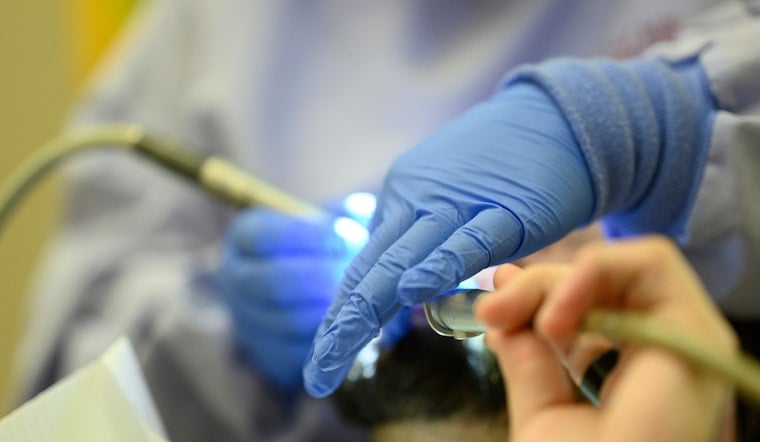
In a major boost to dental care for those with special healthcare needs, the University of Minnesota's School of Dentistry Special Healthcare Needs Clinic (SHNC) has received a substantial grant aimed at enhancing services for patients facing complex conditions. according to the University of Minnesota, the Clinical Dental Education and Innovations Grant, sourced from the Minnesota Department of Health, will funnel $100,000 into critical technological updates and facility improvements, fostering more efficient diagnostic and treatment processes.
The SHNC has carved out a niche for itself by attending to the dental needs of older adults, along with patients hobbled by developmental and physical disabilities, or complex medical conditions. Tackling this considerable challenge, Stephen Shuman, who serves as a professor and director for the SHNC, likened it to "providing care for medically complex and special needs patients is a bit like playing football in a snowstorm." He continues to elaborate on the analogy by adding, "You have the same basic rules, but it’s harder to score points and run plays and there can be more slips and fumbles. The best team still wins based on their skill, experience, persistence, and creativity," he told the University's news hub.
Accommodating patients in wheelchairs, the grant will ensure that the clinic is equipped with its very own panoramic X-ray and additional imaging units, a move expected to significantly boost accessibility. The SHNC follows in the footsteps of the General Practice Residency (GPR) and the Walker Methodist Dental Clinic, which both became part of the school last year, creating a synergy of expertise in handling intricate patient care situations.
Shuman also stressed the value of integrating this specialized care into standard training for aspiring oral health professionals. Emphasizing the need, he elaborated, “This kind of care used to be considered an elective experience, but there is so much need in the community for these services." In light of the grant, hopes are high for introducing more students to the SHNC's enriching environment, where, as Shuman points out, “When you’re providing dental care for someone who has not been able to get dental care anywhere else, or so they can safely get a heart valve replacement or an organ transplant, it’s hard to beat that feeling," to the University of Minnesota.
The University of Minnesota School of Dentistry remains at the forefront as the dental school in the state, undertaking the dual role of educator and care provider with significant outreach. It churns out the majority of Minnesota's practicing dentists – clocking in at 72 percent – and manages over 156,000 patient visits through its clinics annually. More information about the school and its services can be found on its official website.





