

























































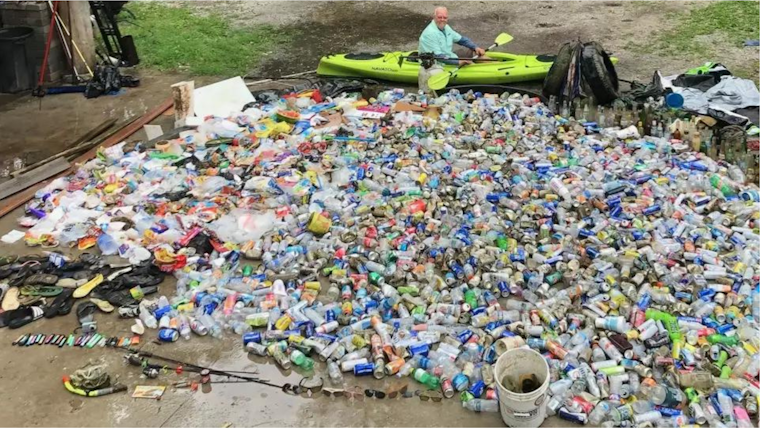
Michigan's rivers and streams were bogged down by a whopping 31,000 pounds of garbage last year, but thanks to dedicated volunteers, this junk is no longer sullying the waterways. This effort marked a significant increase over past years in trash collection. Tamara Lipsey, an Aquatic Biologist with Michigan's Department of Environment, Great Lakes, and Energy (EGLE), highlighted that the most common items removed were "food wrappers and food containers," but the list of refuse ranged from grocery carts to an unopened safe and even a Barbie car, WWJ Newsradio 950 reported.
The scale of this clean-up operation is clear when you consider that the weight of the trash collected roughly equates to two African elephants. EGLE, working in collaboration with Michigan State University and the Huron River Watershed Council, managed to dramatically scale to up involve over 1,600 volunteers in this herculean task. One of the more disturbing finds was the body of a homeless man discovered in Traverse City, a grim reminder of the unexpected dangers cleanup crews might face, according to a local program manager’s statement obtained by MLive.
MiCorps, a program under EGLE administered by Michigan State University, funded a total of 11 cleanups last year. The operation is supported by sales from a $35 specialty auto license plate embellished with the design of a sailboat and the phrase “Protecting Our Waters.” In total, $44,500 was allocated to facilitating these cleanups, nearly double the annual grant, mainly due to leftover funds from previous years. The funds covered everything from cleanup equipment and supplies to volunteer appreciation items like food and t-shirts, as reported by Big Rapids News.
While the removal of such waste from Michigan's waterways is a positive step, the underlying issue of people carelessly dumping trash remains unresolved. "If I had the answer to why people do it, maybe we could stop people from doing it," said Lipsey, speaking to WWJ Newsradio 950. Lawmakers are angling to tackle this issue by advancing legislation that would propose tougher penalties for littering. Meanwhile, MiCorps is currently accepting proposals for 2024 funding until March 8, ensuring that the fight to keep Michigan’s many lakes and streams free of trash continues.





