

























































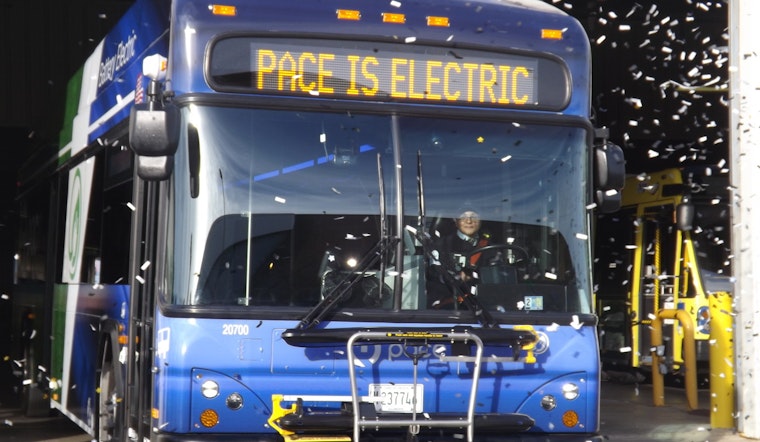
Chicago's public transportation is taking a bold leap into the future, with the announcement that PACE, the suburban bus service provider, is set to roll out its first-ever electric bus fleet in Waukegan next year. This move towards a greener mode of transport aligns with PACE's ambitious goal of achieving zero emissions across its operations by 2040. As part of a dual effort to promote sustainability and increased accessibility, the agency also declared that disabled passengers with Americans with Disabilities Act certification will soon be able to board any fixed route free of charge, a significant step toward inclusivity.
The introduction of a free ride program for passengers with disabilities comes as a respite to a community that relies heavily on public transit. Linda Soto, director of Pace Suburban Bus, highlighted the organization’s focus on both sustainability and ridership access in a statement obtained by the Chicago Tribune. The PACE Board of Directors has already greenlighted the proposal, which is now pending approval from the Regional Transportation Authority. Meanwhile, free access for disabled riders kicked off recently, with riders required to present their ADA Paratransit card to bus drivers, according to CBS Chicago.
PACE's push into eco-friendly transportation is expected to create a positive ripple effect in Waukegan, a community traditionally underserved and home to many low-income and minority residents. The $55 million earmarked to transform the North Division service in Waukegan will not only bring in 22 new electric buses but also see the installation of charging stations to support the fleet. These advancements are part of a significant overhaul that, as explained by PACE’s chief communications officer Maggie Daly Skogsbakken in a Chicago Tribune interview, aims to "reform holistically the whole system."
Despite a nationwide driver shortage that has been hitting the transportation industry hard, PACE is forging ahead with plans to enhance its service offerings. This includes not only the introduction of electric buses but also expanded evening services and strategic partnerships with local educational institutions. These collaborations aim to bridge the gap in driver recruitment by offering training programs that pave a direct path to employment with the transit agency. As part of this effort, institutions like the College of Lake County and the Independent Center of Waukegan have been instrumental, in providing necessary training for future PACE operators, reported the Chicago Tribune.
In the grand scheme of things, PACE is setting a benchmark for other public transport systems to follow, with expectations that ridership will jump by 3.6% to about 15.6 million trips in 2024. The pivot toward electric and the commitment to lift barriers through fare-free transportation for the disabled tell of an organization knowingly stepping into its future—one that looks more sustainable and equitable, where every advancement is not just a boon for the environment, but a step towards a more inclusively mobile society.





