

























































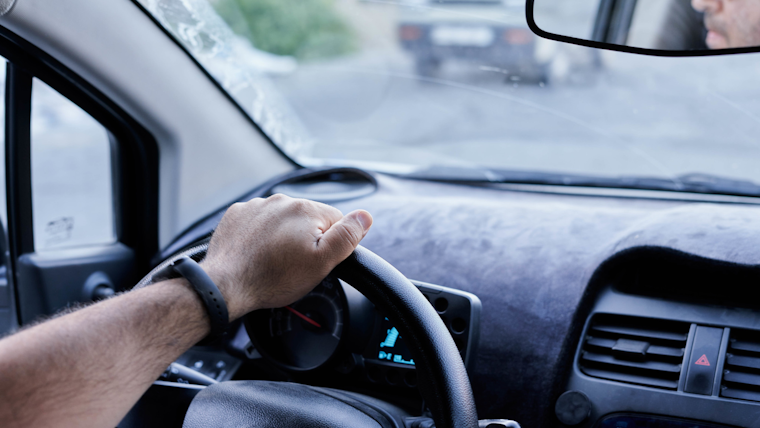
As many weary-eyed drivers can attest, drowsy driving is not just a minor inconvenience—it's a major public safety hazard. A recent report from AAA underlines the severity of the issue, revealing that sleep-deprived driving may be responsible for a significantly larger percentage of fatal crashes than previously thought. According to the AAA Foundation for Traffic Safety, drowsy driving is a factor in about ten times as many traffic fatalities as traditional crash data suggests, with an estimated 18% of all traffic fatalities between 2017 and 2021 involving drowsy drivers.
With Daylight Saving Time on the horizon, slated for March 10, the concern over drowsy driving intensifies. The AAA report serves to actively warn drivers to particularly be vigilant during this time. "This study should be a wakeup call for drivers to not underestimate the dangers of drowsy driving," said AAA spokesperson Adrienne Woodland, in a statement obtained by CBS News Detroit. The study's timing is crucial, as the loss of an hour of sleep can make the roads particularly perilous.
Drowsiness impacts driving in numerous ways, from reduced alertness which makes it harder to quickly react to hazards, to impaired judgment which increases the chance of poor decision-making on the road. Even brief moments of sleep—microsleeps—can lead to catastrophic outcomes. Despite these risks, drivers often fail to correctly gauge their level of fatigue. The AAA study emphasizes that teens and young adult drivers, those working night or long shifts, and commercial truck drivers are most at risk.
But there are steps to take to mitigate this danger. AAA advises to make sure to get a minimum of seven hours of sleep before driving and to avoid embarking on a trip at times when you'd normally be catching Zs. "Don't underestimate the power of a quick nap," says Tiffany Wright, a spokesperson for AAA, as told to WXII 12. Additionally, traveling with an alert passenger, taking regular breaks, and avoiding alcohol and drugs are among AAA's key recommendations for preventing drowsy driving.
As the darker mornings of Daylight Saving Time approach, motorists should heed the warnings and advice from AAA's recent study. The deadly consequences of driving while sleep-impaired are preventable, and being aware of the risks and solutions can help keep everyone on the road safer.





