

























































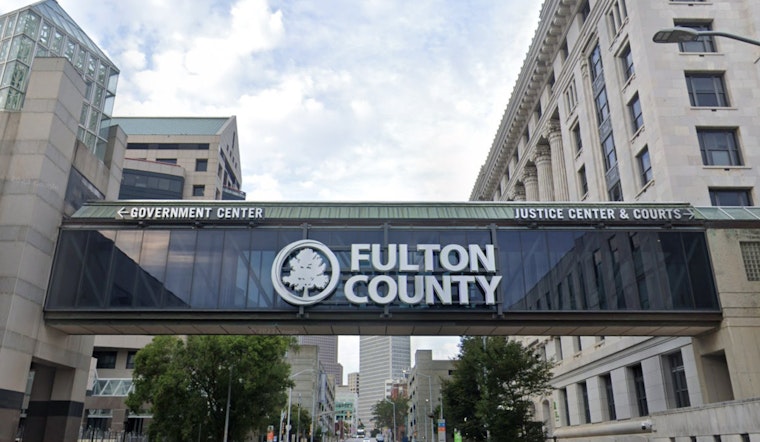
The wheels of democracy turn, even as the high court of the land prepares to lay down a potentially groundbreaking ruling. With the May 21 general primary in Fulton County ticking ever closer, residents have been given the green light to start requesting absentee ballots – a critical method for those unable, or perhaps now unwilling, to stand in the line at polling places. As reported by Fox 5 Atlanta, the portal swung open on Monday, beckoning voters to step forth into the fray of democracy from the comfort of their own homes.
But the churn of election mechanisms in Georgia is juxtaposed by a looming shadow cast from the highest court. The U.S. Supreme Court is poised to issue a critical ruling yesterday, right before Colorado's primaries impact the national stage. This decision follows the upheaval of Republican front-runner Donald Trump's campaign – yanked from the Colorado ballot post allegations of insurrection during the Capitol attack back on January 6, 2021. Through the lens of a report by AOL News, the Supreme Court did not specify the ruling to be issued after arguments were heard on Trump's appeal in early February.
In Georgia, those hoping to sidestep in-person voting will need to arm themselves with a suite of personal details such as their name, valid ID numbers, and more to request their absentee ballots. As suggested in the Fox 5 Atlanta article, applicants have until May 10 to get their requests in, with ballots needing to be promptly returned by 7 p.m. on Election Day. While Fulton County ensures the access to absentee voting, the national vote's very fabric could dramatically shift pending the outcomes of the Supreme Court's decision on the former President's eligibility.
Meanwhile, as the fate of Trump lingers in the balance of justice, his supporters await the court's verdict with bated breath, potentially shaping or fracturing the already tense political climate. The Republican Party of Colorado has pressed the Supreme Court to make a call before Tuesday's primaries, hoping to salvage Trump's chance at taking a shot against incumbent President Joe Biden come November. Yet, the balance of the bench, tipped with a 6-3 conservative majority – which includes three Justices appointed by Trump himself – currently hangs in silence, according to the same AOL News coverage.
The core of the dispute rests upon Section 3 of the 14th Amendment, placing a ban on public office for individuals who previously swore to uphold the Constitution but later engaged in insurrections against it. The debate percolates over whether or not the former President's words and actions tied to the January 6 events qualify as such – a resolution that only the Supreme Court can decisively provide. This decision could not only possibly re-install Trump in the primary race but also delineate the scope of a state's power in enforcing constitutional disqualifications, especially ones so ardently contested.





