

























































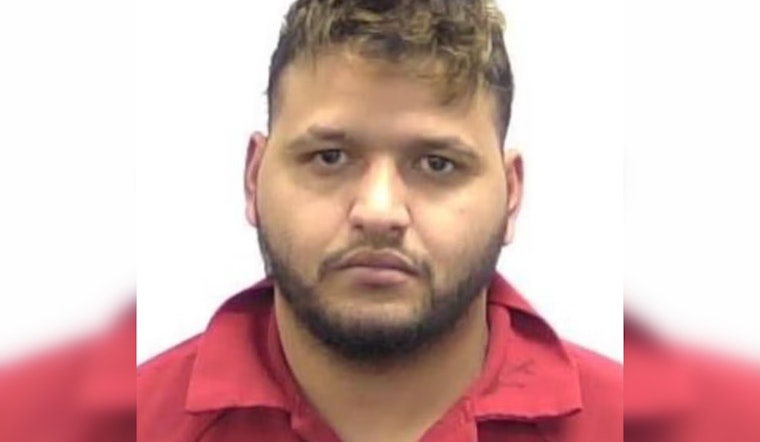
In a legal turn set to thrust the courtroom into a deliberative battleground, Jose Antonio Ibarra, accused in the killing of Augusta University nursing student Laken Riley, has sought a jury trial, per court filings.
Riley's body was discovered near the University of Georgia's intramural fields, a grim end following her morning jog on February 22. The findings of an autopsy revealed that the 22-year-old succumbed to blunt force trauma to the head. Within a day of the gruesome discovery, authorities arrested Venezuelan national Jose Ibarra, laying on him a cache of charges including malice murder and felony murder, among others, according to 11Alive.
Ibarra's counsel has pushed for a transparent legal process, calling on the prosecution to lay bare the evidence against him. The defense has requested access to "reports, pictures, recordings, and witness statements" that could be pivotal in confronting the allegations he faces. As Ibarra stands accused, the question of his immigration status has spilled over into the political sphere, becoming an incendiary touchstone for dialogue on border security and policy, highlighted by the GOP and potential presidential hopeful Donald Trump to criticize current administration policies. This narrative unfolded as Ibarra's brother, Diego, has been indicted on charges related to the possession of a counterfeit immigration document, as FOX 5 reported.
Citing the complexity of a case charged with such emotive potential, Emory Law Professor Kay Levine conveyed to FOX 5, "When you have a jury trial, it's twelve people. They have to reach a unanimous verdict, so that means all twelves of them have to agree that the prosecution has succeeded in hitting its burden of proof on every element of every crime in the indictment." The selection of a jury trial, as Levive points out, introduces the human factor into the legal equation, potentially distilling raw emotion into the crucible of justice, a property less likely to sway the more dispassionate adjudication of a bench judge.
As the wheels of justice begin their grinding turn, Levine notes that shifts in defense tactics are not uncommon as more information comes to light. "It's not at all surprising when cases that start out very forceful, then behind the scenes calls as the defense gets a better, read on the prosecution's case and the defendant gets a clearer picture of what might happen following conviction at trial, as opposed to conviction by plea that people re-evaluate," Levine told FOX 5. Into this narrative enters the slow procession of the legal system, with cases of such gravity often taking a year or more to find their close.





