

























































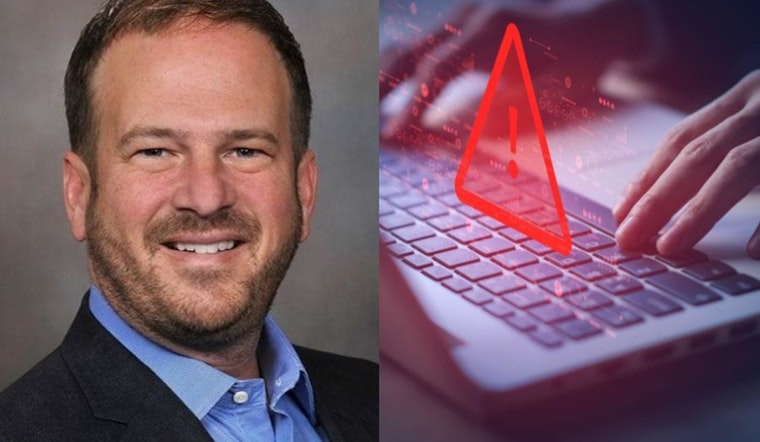
In the digital age where artificial intelligence (AI) is part of daily routines, a new threat looms over unsuspecting users, cyber experts warn that scammers are leveraging generative AI to commit fraud more convincingly than ever. Mark Langanki, a teaching specialist at the University of Minnesota, issued a cautionary note about the potential misuse of AI to mimic personal details, such as a person's voice and likeness, making it increasingly difficult to discern authentic communications from fraudulent ones.
"With AI's capability to recreate someone's likeness and voice, there is an ever-higher risk that bad actors may try to disrupt our lives," Langanki, whose expertise encompasses computing and networked applications, emphasizing the ease with which just a few seconds of recorded audio can be exploited by AI systems, leaving individuals questioning the legitimacy of communications from those they know, scammers could be calling asking for sensitive information or money, and it might sound exactly like someone you trust, which is exactly what makes it so dangerous and compelling, according to the University of Minnesota.
Langanki's insights shed light on the broader implications of AI in our society, underscoring the importance of cybersecurity vigilance, the College of Continuing and Professional Studies (CCAPS) at the University of Minnesota, where Langanki teaches, has a longstanding history dating back to 1913 and prides itself on embracing diversity and fostering a learner-centric environment for lifelong education, values that have only grown more relevant as technology infiltrates more aspects of modern life—so whether it's for work or leisure, understanding and preparing for the cybersecurity risks associated with generative AI is crucial, as per the University of Minnesota.





