

























































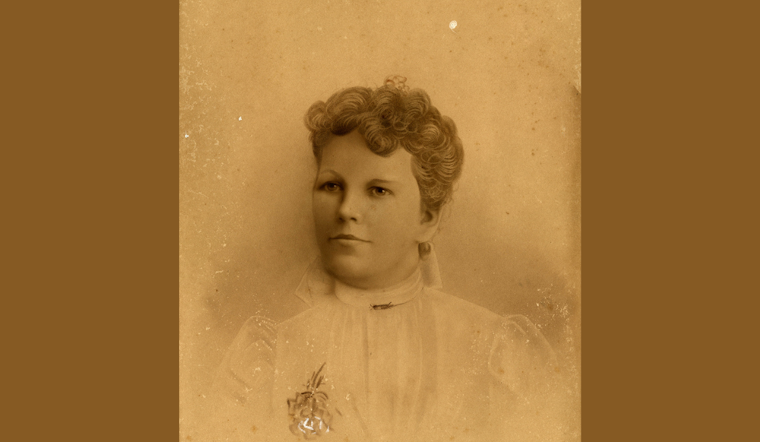
In celebration of #WomensHistoryMonth, Arlington, Texas, has shone a spotlight on a pioneering figure from its past. Carrie Rogers, who broke barriers as the first female city marshal in Texas, was honored for her trailblazing work more than a century ago. In a 1914 appointment, Rogers took on the role, planting her flag not just in law enforcement but also in the annals of local history. Rogers didn't just wear a badge, she was also the only woman at the time to serve as a police chief anywhere in Texas.
But leading the force was only part of her legacy. After laying down the law, Rogers built livelihoods, constructing a hotel that still stands and numerous houses across Arlington. It's said that in some years, she built up to a dozen homes. The City of Arlington, Texas highlighted her as "Arlington's first major home developer" – a testament to her impact beyond her day job.
Putting pen to paper, Rogers became a vocal advocate for city improvements by writing newspaper articles. Her civic involvement did not quell there. She founded and led a city Improvement Society, championing significant upgrades from the pedestrian walkways to calls for a new opera house. In an era well before women had the ballot, she wielded her influence mightily, leading to a successful local prohibition vote in 1902.
A century and a decade on, Carrie Rogers’ story is not mere nostalgia, it's a beacon of historical accomplishment, reminding us of the relentless spirit of public service and community development. The role of women in building the foundation of Arlington, a city that witnessed firsthand the tenacity of a woman who would become a quintessential part of its fabric, was etched into history by Rogers' unwavering dedication. Her dual wielding of authority and entrepreneurship speaks to an ethos that defied the gender norms of her age and laid down the gauntlet for those aspiring to make a difference, irrespective of gender. As evidence of her lasting impact, Rogers' efforts came 18 years ahead of the 19th Amendment, which granted voting rights to women nationwide in 1920.




