

























































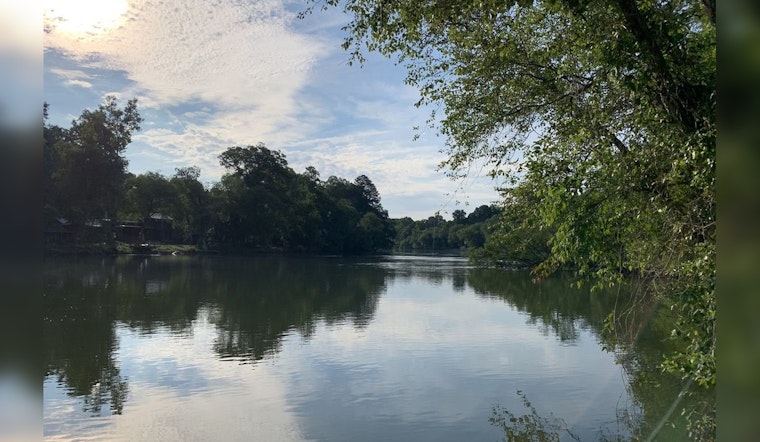
An environmental watchdog is raising the alarm over perilously high levels of E. coli in the Chattahoochee River due to a malfunction at an Atlanta water treatment facility. Chattahoochee Riverkeeper Executive Director Jason Ulseth disclosed that the river has become a risky zone, with contamination stretching from Atlanta to West Point Lake. According to a report by FOX 5 Atlanta, the Riverkeeper tests and monitors over 200 locations along the river and has found hazardous levels of E. coli, indicating a significant health threat to the public.
Coming into first-hand contact with the river's water could lead to adverse health reactions, including rashes and gastrointestinal issues. Ulseth urges caution, telling the public in a Channel 2 Action News interview, “The levels we are seeing are through the roof going into the river right now.” The source of the contamination has been identified as the R.M. Clayton Water Reclamation Center, which is normally tasked to safely treat and release about 80 million gallons of sewage daily into the Chattahoochee River. Due to recent mechanical failures, coupled with heavy rain, the facility has been releasing improperly treated sewage.
The Atlanta Department of Watershed Management has acknowledged the issue and is taking steps to address the crisis. They have stated that eight mobile clarifiers have been deployed as a temporary fix for the damaged ones and that additional disinfectants have been introduced to lower the E. coli levels in the river. Despite the ongoing repairs, Riverkeeper has advocated for immediate action to remedy the situation, expressing concerns about the potential exacerbation of pollution once the Army Corps of Engineers ceases draining Lake Lanier. This draining process has been temporarily diluting the contaminated water, as FOX 5 Atlanta explains.
As for the Atlanta Department of Watershed Management, they maintain that the plant remains operational and efforts are advancing to ensure the treatment system is functioning at full capacity. In a statement, the Department assures ongoing monitoring and responsive mitigation strategies in case of elevated E. coli levels, emphasizing that additional disinfectants are being introduced to lower the levels of E.coli. Despite not issuing a public advisory to avoid the river, Georgia's Environmental Protection Division has teamed up with the city to investigate the circumstances.





-4.webp?w=160&h=400&fit=crop&crop=edges)
