

























































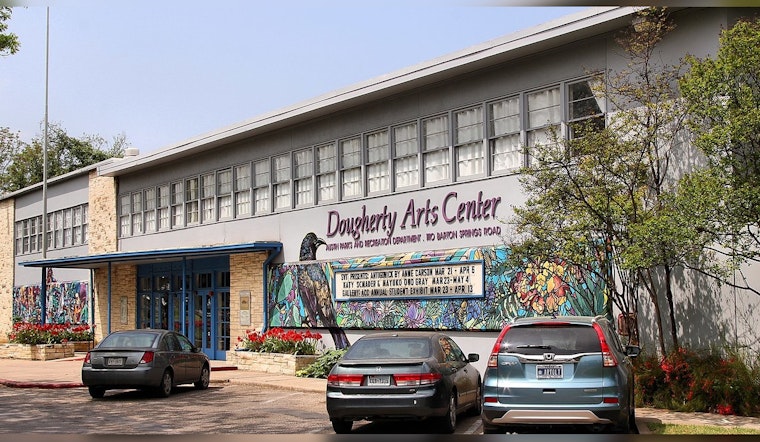
Austin's plan to replace the decrepit Dougherty Arts Center has hit the taxpayer sweet spot, with costs soaring to a staggering $61 million, more than double the original budget, city officials said. The sticker shock comes after a series of delays, planning revisions, and the relentless march of rising construction costs. Decades of use and neglect have left the 1974 building in a state of disrepair, with regular flooding and its foundation slowly sinking into the ground, leading to a litany of structural issues.
During a Tuesday work session, the Austin Parks and Recreation Department's chief, Kimberly McNeeley, laid out an economic sob story to City Council members, detailing how the project's price tag ballooned from an initial $28.5 million to its current budget-busting figure. As the Austin Monitor laid it out, the ever-growing list of financial woes included inflationary pressures tacking on an additional $6 million to the rebuild cost.
According to a report by KXAN, Austin's oldest community arts venue has been shouldering the burden for 14 years, with the building's foundation beginning to fail. The dire need for a revamp was evident, but the how of footing the bill remains a contentious topic. With the original budget blown out of the water, McNeeley suggested stripping back the plans — including axing the pricy underground parking facility once ordered by the City Council.
The Council, initially enthralled with the dream of a subterranean parking solution and enhanced infrastructure, got a reality check. In the aforementioned work session, Council Member Alison Alter inquired about the possibility of repurposing land on the city's expected purchase of the former Tokyo Electron Ltd. campus, eyeing alternative parking solutions. However, as per KXAN, McNeeley pointed out that surveys with center supporters show a strong preference for the facility to remain within the city's core.
Interim City Manager Jesús Garza stepped in with a sober second thought, advising the City Council to keep their hands off the design table and let city staff press forward with the scaled-back iteration unless otherwise required. The grounded version of the plan, Garza and McNeeley agree, could still offer the community a functional space in the near term as the wait for possible 2026 bond funds continues. Putting the brakes on gold-plated ambitions isn't just a lesson in fiscal responsibility; it's an acute acknowledgment of dream projects encountering the hard wall of economic reality.





