

























































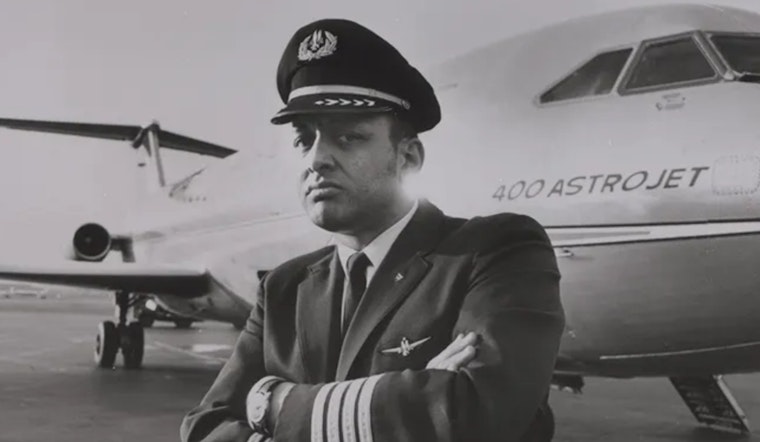
David E. Harris, a trailblazing figure in aviation history and the first Black pilot hired by a major U.S. airline, died at the age of 89 in Marietta, Georgia, his family disclosed, with the cause of death remaining undisclosed. Harris, who had bravely served as a bomber pilot in the U.S. Air Force for over six years, faced formidable challenges in the airline industry, having his applications repeatedly rejected or ignored due to the color of his skin until making his historic breakthrough in 1964 with American Airlines, Newsday reported.
"Capt. Harris opened the doors and inspired countless Black pilots to pursue their dreams to fly," American Airlines CEO Robert Isom stated, recognizing Harris's profound impact and affirming the company's commitment to advancing his legacy by promoting aviation careers among underrepresented communities, this in a statement that both honored the aviator’s contributions and eyes towards a future that echoes his ambitions, as FOX 5 Atlanta covered. After the passage of the Civil Rights Act, Harris applied to various major airlines, finally becoming the esteemed first Black aviator to enter pilot training for a commercial airline.
Despite the groundbreaking nature of his hire, Harris's career was not without its trials; he remembered a particular flight into Washington, D.C., shortly after the assassination of Martin Luther King Jr., where he had to maintain professional composure despite provocative remarks made by a white co-pilot, an experience he recounted to National Public Radio. Harris, a native of Columbus, Ohio, who once sought a simple career in education at The Ohio State University, found himself navigating not only the literal skies but the turbulent atmosphere of racial disparity which lingered long after his initial ascent, with government figures highlighting that Black employees are still underrepresented in aviation as of today, "Black people make up 12.8% of the U.S. population but only 3.6% of pilots," according to the statistics cited by Newsday.
Harris's advocacy transcended his own career achievements — he became an instructor at American’s flight academy, helped create the Organization of Black Airline Pilots, and aimed to extend the ladder of opportunity for others coming after him "Reaching back and helping others to succeed — that’s what I’d like for my legacy to be," Harris told NPR; his post-retirement years were spent in the skies, flying his single-engine Socata Trinidad aircraft, a testament to his undying passion for aviation, he leaves behind a family consisting of two daughters, six grandchildren, and two great-grandchildren as reported by FOX 5 Atlanta.





-4.webp?w=160&h=400&fit=crop&crop=edges)
