

























































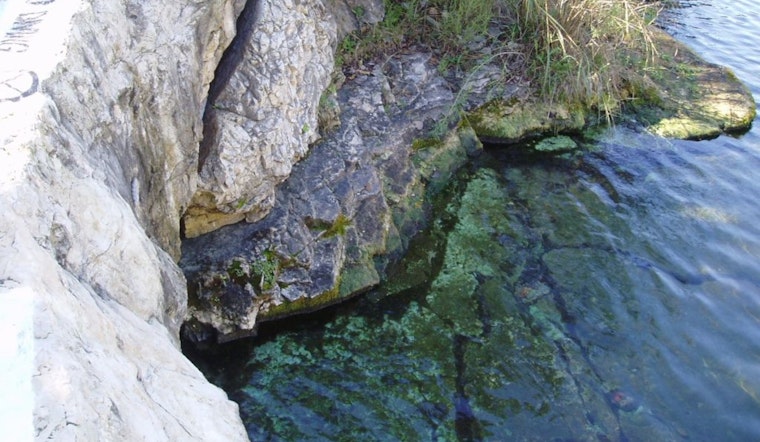
The Barton Springs/Edwards Aquifer Conservation District, which had previously been stuck in a harrowing Stage IV Exceptional Drought, reportedly scaled back its alert to a Stage II Alarm Drought. This update emerged after the region faced the driest conditions in over three decades, prompting extreme restrictions on water usage.
The Conservation District had been teetering on the edge of the direst drought level since last summer, said spokesperson Shay Hlavaty, according to the Austin Monitor, the district transitioned from Stage IV to Stage III on Feb. 8 before further downgrading to Stage II on March 1 as a result of recent rainfall, with January showers pulling the January measure up by a decent 6 inches, followed by an additional 1.5 inches in February, which helped raise the water levels in the Edwards and Trinity aquifers.
It was also reported that while the Conservation District encourages residents to sigh a breath of relief, the drought is far from over, with Shay Hlavaty pressing for continuous vigilance in water usage because the threat of returning to a severe drought looms, especially with the potential for a third consecutive summer of high temperatures paired with scant rainfall in Central Texas.
Erin Swanson, regulatory compliance manager, has highlighted that permit holders are now required to pump less water, in some cases up to 80 percent less than they would under normal conditions, the municipalities of Buda and Kyle, which are permittees need to hit a target water volume each month, but how they achieve these reductions is largely in their court. If they don't comply, the district's power will hit them with fines, as Austin Monitor includes in their reporting. The conservation district's board meetings, rainfall data, and well-monitor readings have all played a critical role in managing the drought situation, informing decisions about when to move between stages and how to communicate the need for water conservation to the public.
This coverage underscores the delicate balance between human needs and environmental realities, as communities navigate the challenges posed by a changing climate. The conversation about water usage, a resource once taken for granted, has now become a top-of-mind issue, and the Conservation District’s recent announcement marks a significant, though potentially temporary, reprieve in the ongoing battle against drought.





