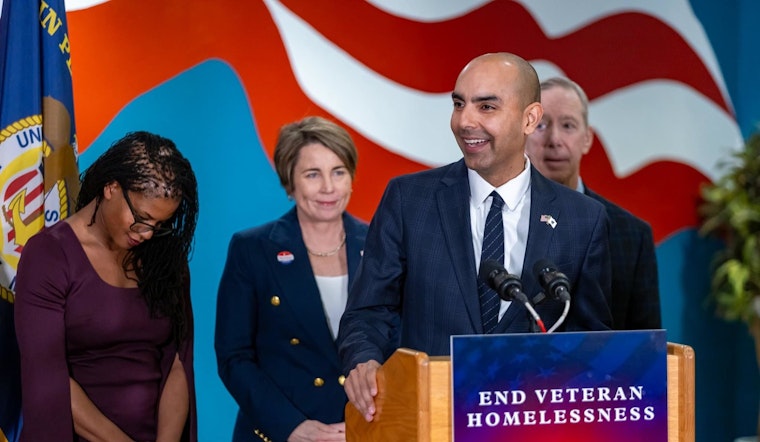
Boston's latest blitz in the war against veteran homelessness got a $20 million ammunition boost, thanks to the Healey-Driscoll administration's historic initiative. Unveiled at Boston's New England Center and Home for Veterans, Governor Maura Healey and her team revealed a campaign that stands out as the state's largest financial foray into fighting homelessness among its veteran population. The five-pillared plan is a multisector effort that ropes in federal, state, and local allies, aiming to bombard the issue with housing support, healthcare accessibility, and infrastructural fortification. The mission, clear-cut, is to achieve "functional zero" in veteran homelessness—a federal definition of a reality where homelessness is a rare, short, and one-off ordeal.
The announcement detailed that the campaign blends a series of ground-level outreach movements with lofty capital investments, signaling a long overdue payback to those who've laid it all on the line for the country. "Our administration is committed to making Massachusetts a national leader in veterans services," Healey said, driving the point home. Lieutenant Governor Kim Driscoll, riding shotgun on this campaign pointed out that, "No one who served our country should ever worry about having a roof over their heads."
Tagging onto the campaign are fiscal pledges including capital investments aimed at revamping, or outright constructing affordable housing tailored for veterans. There's also a decided lean towards marrying supportive services with housing objectives for vets in limbo, ensuring milieu isn't the only box being checked. Secretary of Veterans Services Jon Santiago solidified the administration's vow, saying, "Our mission is clear: bring veteran homelessness to functional zero and establish the necessary infrastructure to sustain this achievement."
The outreach component, branded as the Homelessness Outreach to Placement Effort (HOPE), seeks to not just mark, but engage and house the homeless vets cut adrift on the Massachusetts landscape. With an estimated 500-600 veterans out in the Massachusetts cold, the stakes, the reverence, are high. Secretary Housing and Livable Communities Ed Augustus emphasized the need for wrap-around services, "They have served our country and now is the time for our country to serve them." he said. But we must do more than just provide them with a safe and warm place to live.
The grand $20 million sum came by way of the 2021 Massachusetts Legislature, which allocated the sum from ARPA funds. These funds are just a piece of a larger, more intricate puzzle that includes ongoing veteran housing projects like the 220 mixed-income affordable veteran housing units brewing on the Massachusetts Veterans Home ground in Chelsea. As the Commonwealth barrels toward the 2027 benchmark, all eyes are on whether Massachusetts can become the national exemplar in giving its veterans the homecoming promise they deserve.