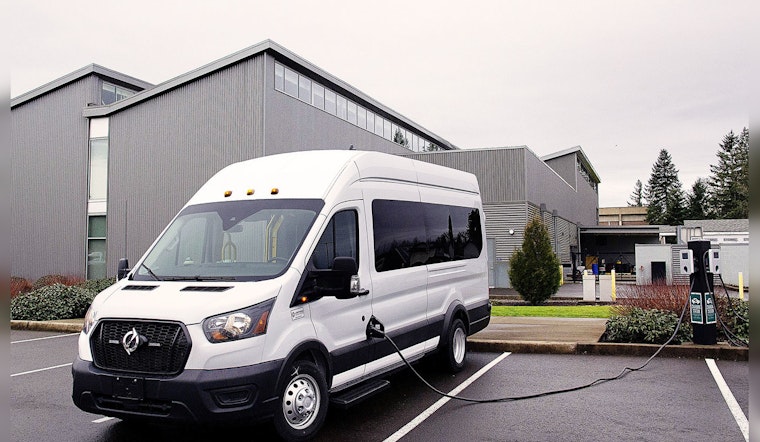
Eco-conscious seniors in Clackamas County can now catch a green ride, as the local Social Services has just beefed up its transportation program with a new electric mobility van. This electric Ford Transit E 360, is the first of its kind to join the fleet, it is set to make to help seniors and the disabled get around without leaving a carbon footprint. The initiative is part of the county’s Transportation Reaching People program, which provides door-to-door ride services to those 65 or older, or those facing disability challenges.
Funded through a grant from the DEQ's Oregon Clean Fuels Program via the PGE Drive Change Fund, this electrified addition is not just a nod to environmental stewardship but a leap toward it. Offering space for up to three passengers in wheelchairs or a total of six if mobility devices aren't needed, the van is poised to significantly amp up the ride service. According to information from Clackamas County’s website, the first ride took place on March 5, marking a milestone as a senior went about their daily errands in emissions-free style.
Not settling for just adding the van to the fleet, Kristina Babcock, the program’s manager, laid out the broader vision. "We're on pace to deliver 8,000 rides this fiscal year," she said in a statement obtained by the Clackamas County website, highlighting the significant impact the program could have on the community’s climate goals. The deployment of such technology in public service vehicles gives a much-needed acceleration towards a more sustainable future.
The new electric van is clean and capable, ready to drive change and to quite literally drive the people of Clackamas County toward a more eco-friendly community. As more organizations and government agencies recognize the importance of sustainability and action to confront the challenges of pollution and climate change, investments like these become increasingly essential. With such moves, Clackamas County continues to put the pedal to the metal on environmental responsibility, all while ensuring its residents continue to maintain their independence and mobility.