

























































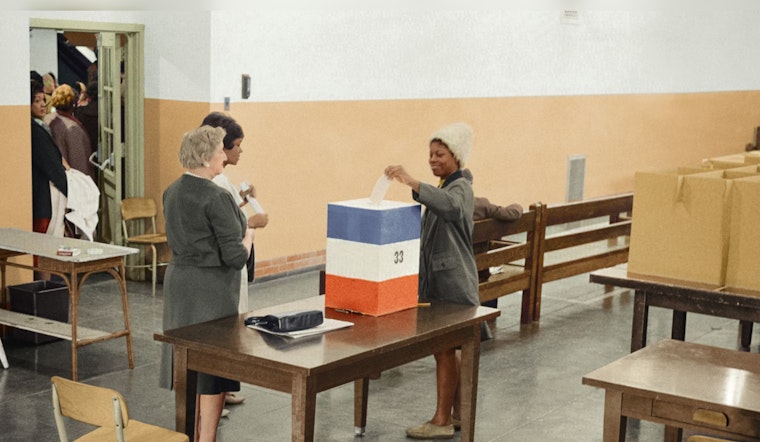
As the 2024 elections hover into view, eyes turn to Georgia and Michigan, where Black voter engagement could make or break the race. According to a recent memo crafted by Democratic strategists, a slump in Black voter turnout by nearly a quarter was observed between the 2018 and 2022 midterms. "If the numbers look like they did nationally, Democrats don't win," Jack DeLapp, the memo's co-author, said in a statement obtained by WABE. The assessment highlights a stark reality: the imperative of sustained voter activation.
At the heart of Atlanta's Black community is Cascade skating rink, where local Democratic strategist and organizer Dean Anthony believes potential votes for the next election are waiting to be courted. Often skating there as a child, Anthony told WABE, the importance of engaging voters in their own spaces — not just at the predictable pre-election church or rally event. He stressed that actions must go beyond mere campaign appearances, pleading with campaigns to genuinely reach out to Black communities without taking them for granted.
Amid reports by organizers of a palpable mix of fear and apathy among potential voters, Nina Smith, another co-author, explained to WABE that showing up in communal havens like Cascade could be a game-changer. Moreover, the 2022 campaigns in both Georgia and Michigan registered among the smallest drop-offs in Black voter turnout, a testament to innovative campaigning and genuine community engagement.
While there were successes, challenges remain. Youth turnout remains a concern, as the report notes a sharp decline in participation among voters under 40. Quentin Fulks, deputy campaign manager for Biden and manager of Senator Raphael Warnock’s 2022 campaign, reassured in January that their team is committed to energizing communities of color for the upcoming election. In an interview relayed by WABE, Fulks stated, "Voters of color have the most at stake in this election and we need to make sure every single one of them understands the choice in front of them."
The trek to stoke voter enthusiasm stretches north to the streets of Detroit, where Branden Snyder's nonprofit Detroit Action is tending to the grassroots of political engagement. He recently led a roundtable for Black men, lifting the veil on the topics closest to their lives and futures. "People want to have conversations about economic justice and abortion and criminal justice," Snyder imparted, in his efforts to move beyond generic get-out-the-vote appeals and connect on a more personal level.
Whether it’s addressing living costs or job scarcity, voters like twenty-six-year-old William Trice, who's juggling a car wash gig and music aspirations, grapple with a political landscape that feels stagnant. "I feel like these past four years, a lot hasn't changed," Trice detailed. His voter story encapsulates the broader existential query: what change can a president enact in the lives of ordinary citizens? His uncertainty about supporting Biden or Trump in 2024 underlines a broader narrative of voter disillusionment and the craving for genuine, issue-focused politics.
Conclusively, the strategy for the Democrats hangs on crafting a message that transcends age and experience, targeting specific concerns while proving that the democratic process still bears fruit. According to Snyder, brushing with the tenants of history in lieu of addressing the immediate needs shaped by recessions and a pandemic may not resonate with the younger demographic. The key is authentic engagement: as Snyder's raised glass at the close of a listening session signifies, it’s not just about votes, it’s about voices being heard and respected.





