

























































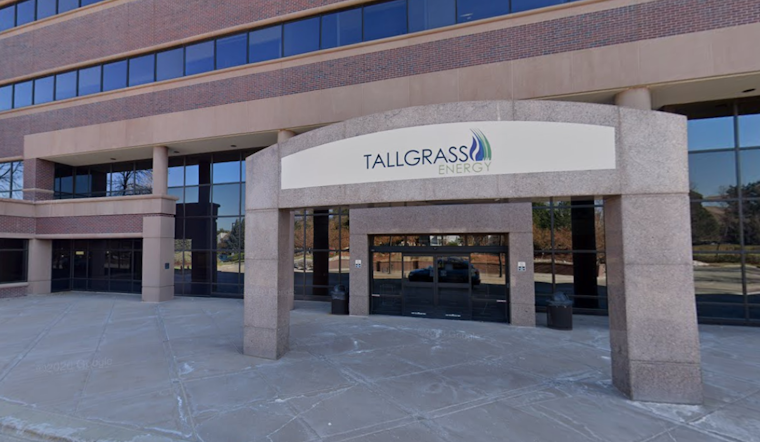
The former board member of energy giant Tallgrass Energy LP, Roy Cook, and four of his buddies are in the hot seat after the SEC slapped them with insider trading charges. According to the securities watchdog, these guys cashed in on the big news before the rest of us even had a clue. A lucrative acquisition proposed by Blackstone Infrastructure Partners, meant to take Tallgrass private, was insider info Cook reportedly handed over to his circle to exploit. Now, the SEC has put their foot down, demanding over $2.2 million in paybacks and penalties for their sneaky stock moves.
In a detailed accusation laid out by the SEC, Cook got the scoop on Blackstone's plans back in July 2019. They were eyeing the rest of the Tallgrass shares after snagging a 44 percent slice earlier that year. Cook supposedly couldn't keep this juicy tip under his hat and allegedly let his pals, Jeffrey Natrop, Peter Renner, James Rudolph, and Peter Williams in on the secret. The crew made their moves in August, just before the public got wind of the offer, raking in profits that had no business in their pockets. Natrop and Renner opted for call options, pocketing $43,862 and $13,520 respectively, while Rudolph and Williams made their plays in stocks and options to the tune of over $500,000 combined.
But Cook's alleged indiscretions went further. Once he settled into the role of chair of the Tallgrass Conflicts Committee, he had even more intel at his disposal which he's accused of sharing with Williams, leading to further profitable trades. SEC's Associate Director Mark Cave didn't mince words. "As our complaint alleges, Roy Cook took advantage of his position as a Tallgrass director to repeatedly enrich himself and his friends," he stated. The SEC's case, presenting their charges in the U.S. District Court for the Eastern District of Wisconsin, paints Cook and his cronies as clear violators of the antifraud provisions of federal securities laws, as per U.S. SEC.
Knocked with a two-pronged accusation, Cook is not only in trouble for the alleged insider trading but also for dropping the ball on mandatory filings related to family trust securities transactions. Cook, without admitting to the allegations, has agreed to shell out a civil penalty north of $800,000 and to return his ill-gotten gains with interest. To add salt to the wound, he'll also be barred from serving as an officer or director of any public company. Meanwhile, each of his friends has agreed, also without admitting guilt, to pay penalties equal to their trading profits and to give back those profits with interest.
The SEC's team, led by David Frisof and Brian Vann, alongside the helping hands of Dean M. Conway, James Carlson, and Brian Shute, dug deep into the case. Gratitude was also extended to the Financial Industry Regulatory Authority, the FBI, and the U.S. Attorney's Office for the District of New Jersey who lent their expertise. This collaborative effort underscores the SEC's commitment to keeping the trading game fair and punishing those who try to cheat the system.




