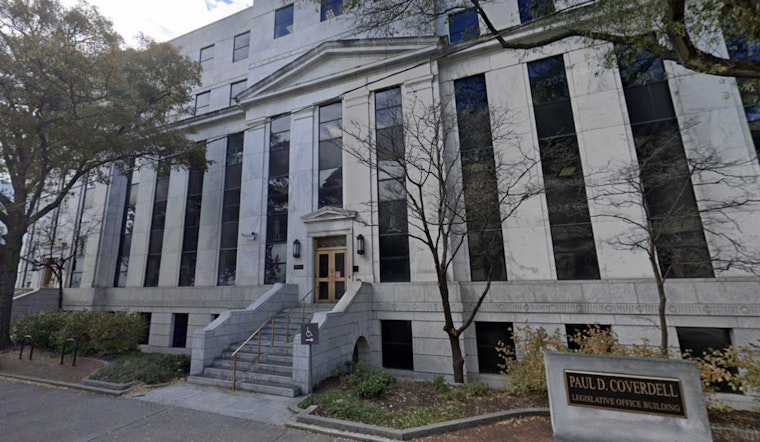
In a tight decision, the Georgia House of Representatives propelled a GOP-led school voucher plan forward on Thursday, which, if passed by the Senate, will fund private education and home schooling initiatives—an outcome long coveted by school choice proponents in the state. WABE reported that the bill, which passed with a slim margin of 91-82, faced considerable opposition last year but found success this time with updated legislative tactics and support from key politicians.
Contrary to last year's setback where 16 Republicans opted out, the bill now only needed one vote beyond the threshold where seven Republicans and one Democrat reversed their previous stance and backed the proposed measure; the bill's revival and passage through the House reflects a strategic shift and deeper engagement from GOP leaders like Governor Brian Kemp and House Speaker Jon Burns, who have placed considerable emphasis on school choice as a lynchpin of educational success for children, with Burns fervently stating, "We are going to empower our parents to make the best educational decisions for their children and give them the tools to succeed for generations to come!" Burns told WABE.
The content of Senate Bill 233 stipulates that $6,500 educational savings accounts will be provided to students attending public schools in the bottom 25% in terms of academic performance; these funds can be allocated towards tuition in private institutions, educational materials for those homeschooling, therapies, tutoring, and even early college courses. Its structure is designed to avoid direct subtraction from the existing school funding formula, with a separate appropriation cap of 1% of Georgia's $14.1 billion educational budget, as outlined by the provisions exposed by WABE.
Opponents of the bill, however, argue it could siphon resources from public schools and discriminate against students based on social and religious grounds as private schools have no mandatory requirements for acceptance, exacerbating inequality within the education system, "It is leaving the least and the less behind to fend for themselves," expressed Rep. Karlton Howard, an Augusta Democrat in a sentiment resonating through the voices of skeptics, according to WABE. Meanwhile, proponents like Mesha Mainor, a Republican who switched parties citing school vouchers as a key issue, praise the bill's potential to break cycles of poverty and educational stagnation, as she told WABE, "Today, you can make a change for them."
The bill is part of a broader educational trend with GOP-led states enthusiastically endorsing education savings accounts in the wake of the COVID-19 pandemic and amidst vigorous debates regarding public school curricula—although this revamped proposal also folds in other elements like codifying teacher pay raises into the state formula and increasing tax breaks for donors to public education, which have yet to ignite the same fervor amongst legislators.